254 Everest Ln #3, St Johns, FL 32259

You’re sipping on some coffee in one of our St. Johns cafes, and as you take a drink, something doesn’t quite feel right. Is that old crown you got years ago really doing its job? If you’ve ever wondered whether your crown is still doing its job or if it’s time for a replacement, you’re not alone. Many in our St. Johns community have questions about crown longevity, and it’s one of the most common concerns we hear.
Dental crowns are not designed to last forever, but with proper care, they can serve you for many years, much like the tires on your car. Except that, without proper care, tires, as you may know, have a very short shelf life. That’s not exactly the best-case scenario, and in this blog, you can expect to learn all that you want to know about replacing dental crowns from Dr. Neal Patel.
Understanding Your Dental Crown’s Lifespan
Of course, let’s get straight to what you really want to know: how long do dental crowns last? Well, it depends on various factors. Most dental crowns last between 5 and 15 years. Some patients have had crowns for 20 years or more with proper care.
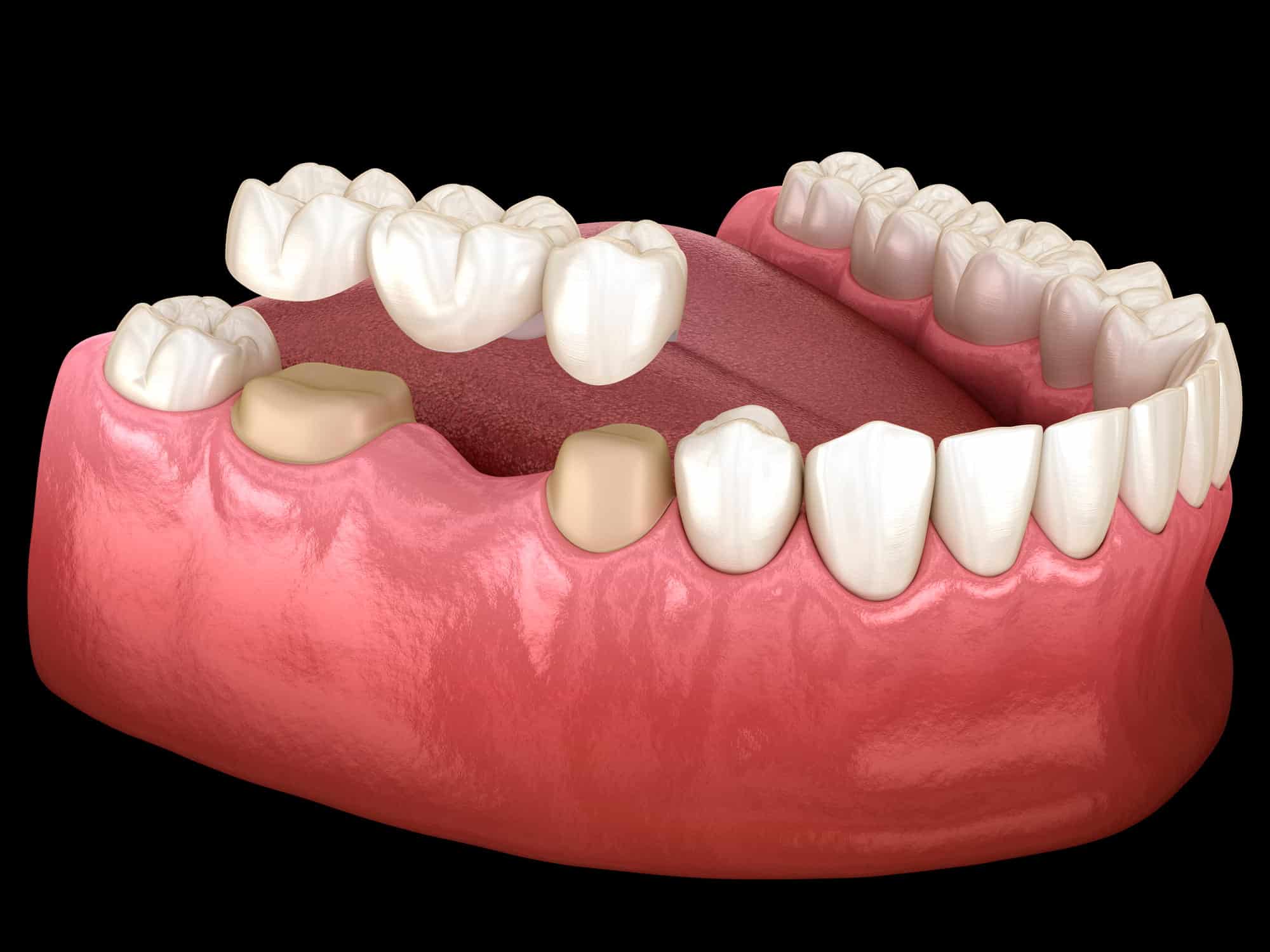
What does a crown look like? A crown is like a ‘cap’ that completely covers your tooth, up to the gum line. Dental crowns come in different shapes and sizes and can only be created to perfectly match your real teeth, giving them the exact look and color as your natural teeth.
The materials also matter; they differ in the lifespans they support:
- Porcelain crowns have an expected lifespan of 10-15 years and offer the most natural look.
- Metal crowns can last 20+ years because they are highly durable.
- Porcelain-fused-to-metal crowns typically last 10 to 15 years, providing a balance of strength and beauty.
- Zirconia crowns are relatively new, show promising longevity of 10 to 20 years, and possess high strength.
What Influences Crown Longevity?
The reality is that the lifespan of dental crowns depends on the material type, but it is only one part of the equation. Many other factors influence the longevity of dental crowns.
Your personal habits can also contribute significantly. Do you tend to grind your teeth at night? Grinding your teeth can use up immense force on your teeth, causing a deterioration of the surface layer of the crown far more rapidly than usual. A night guard can be a game-changer for your crown as well as your teeth.
The fit and placement quality matter tremendously. Dentists’ skill in achieving a precise fit and proper alignment will determine the success of your crown. Digital scanner accuracy has improved precision and quality in crown fabrication.
Your oral hygiene routine is also essential. The crown margin, where the crown meets your natural tooth, is vulnerable to decay if bacteria accumulate there. Brushing the crown regularly will help keep this area clean and prevent cement dislodgement.
The gum recession also creates a further complication. As gums naturally recede over time, this can eventually expose the crown margin or even the underlying tooth structure.
How to Care for Dental Crowns
Taking care of your dental crowns is not complicated. We recommend caring for your crowns the same way you care for your existing teeth.
Brush twice a day with fluoride toothpaste and floss once a day. Pay special attention to the area of the gum line where the crown meets. This is the spot where bacteria love to hide.
Avoid these common mistakes:
- Don’t chew ice or hard candies, and don’t use your teeth as tools.
- Avoid super sticky foods: caramels tend to pull on your crown.
- If you grind your teeth, ask your dentist about a custom night guard.
- Never ignore minor problems because they rarely get better on their own
Having regular dental checkups twice a year allows your dentist to monitor the condition of the crown. They can identify possible problems even before you do.
Warning Signs That Your Crown Needs Replacement
Do crowns need to be replaced? Yes, eventually, they do. Here are the red flags that signal you need to see your dentist:
Pain while biting should alert you to an improper fit, underlying decay, or perhaps a cracked crown. No pain should ever be ignored. Your body is constantly sending you messages.
The presence of any crack or chip affects the crown’s structural integrity. Even minor damage can worsen if left unchecked.
Crown looseness is a big problem. If the crown feels loose and moves when you run your tongue over it, make an appointment right away. A loose crown is at risk of being lost, and bacteria accumulating under it can cause decay.
A dark line along the gum line can also occur as the gums begin to recede around older porcelain-fused-to-metal crowns. This isn’t necessarily an emergency, but it should be discussed with your dentist, especially if you’re self-conscious about how you look.
Sensitivity to hot or cold temperatures that wasn’t there before may indicate that the crown is no longer sealing properly or that decay is developing underneath.
The Replacement Process
If your crown needs to be replaced, it’s easy to do. The dentist will simply take out the old crown, examine the original tooth structure, and prepare it for a new crown. Due to new technologies such as scanners, it has never been quicker or more comfortable.
At times, additional treatment is needed before placing a new crown. This might involve removing decay or building up a tooth.
The good news? Crown technology has changed significantly. Crowns are significantly better in terms of strength, aesthetics, and longevity compared with those of ten years ago. Materials such as zirconia are extremely strong without compromising aesthetics.
Making Your Crown Last
The bottom line is, if you take care of and pay close attention to your new crown, it will work well for you for a very long time.
Regular dental visits aren’t just about getting your teeth cleaned—they’re the preventive maintenance for your entire mouth, allowing your dentist to spot minor problems before they become costly ones.
Take care of your investment by using a night guard if necessary, practicing good oral hygiene, and avoiding behaviors that place undue stress on your teeth.
Get Expert Crown Care Today
Your smile is definitely worth the best care available. At Vitalize Dental, we know that dental crowns in St. Johns can be a significant investment in your oral well-being. Our dental care team is committed to using the latest advances in dentistry to ensure your dental crowns look their absolute best and perform at their optimal level.
Whether you are concerned about an existing crown or want to get one, we are here to assist you. With our latest digital scanning technology and high-quality materials, we provide crowns that fit comfortably and aesthetically blend with your teeth.
Ready to get your crown in top condition? Let’s get you scheduled today! Your dental health is our priority! We want to help you maintain it.
Common Questions People Ask
Can a dental crown last a lifetime?
They can last 20 to 30 years with proper care, although the average crown is expected to last only 10 to 15 years before replacement is necessary.
Does getting a crown replaced hurt?
The process is painless with local anesthesia. Patients experience minimal discomfort during and after the process.
What is the cost of replacing a dental crown?
The costs depend on the material used and the location. Dental insurance can also help cover some of the costs. You should consult your dentist regarding the details.
Can I eat normally with a dental crown?
Yes, after the crown is set. Avoid hard or sticky foods that could damage it.
What happens if I do not replace my failing crown?
There is a risk of decay, infection, or tooth loss if replacement is delayed.