254 Everest Ln #3, St Johns, FL 32259

Understanding what really drives your root canal cost is one of the most common concerns patients bring to Vitalize Dental. If you live in St. Johns and you’ve been told you need a root canal, it’s natural to wonder why the price varies so much. Dr. Neal Patel believes every patient deserves a clear, honest explanation — not a confusing bill after the fact. This guide breaks down the real factors behind root canal pricing so you can walk in prepared and confident.
Why Root Canal Costs Vary from Patient to Patient
No two root canals are exactly alike. The complexity of your specific situation plays a major role in determining the overall cost. Factors like tooth location, the number of root canals inside that tooth, and the level of infection all influence how much work is involved. That’s why a single flat price rarely tells the whole story.
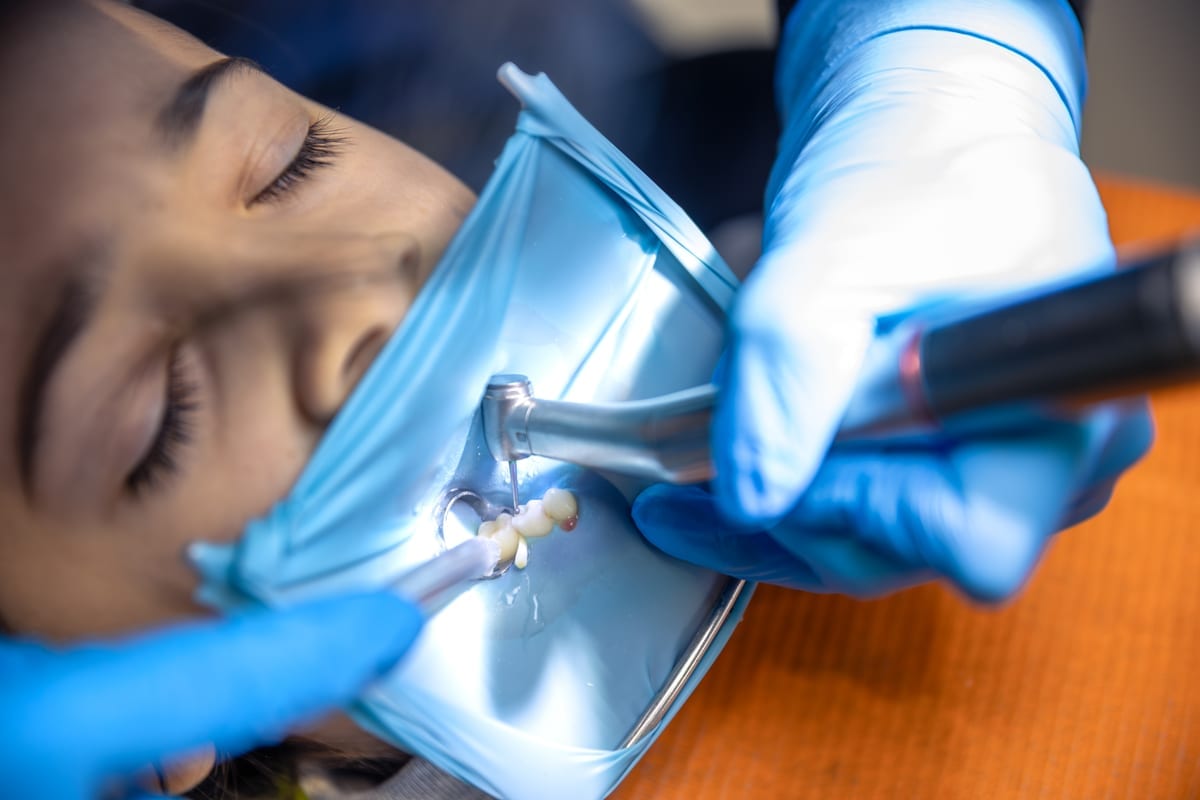
Root canal treatment is a form of Restorative Dentistry, meaning it’s designed to save a damaged or infected tooth rather than remove it. The goal is always to preserve your natural smile whenever possible. When the procedure is more involved, it simply requires more time, precision, and materials. Each of those elements contributes to the final cost.
How Tooth Type and Location Drive Root Canal Cost in St. Johns
The type of tooth being treated is one of the biggest cost drivers. Front teeth — called incisors and canines — typically have just one root canal. That makes them more straightforward to treat. Molars, on the other hand, can have three or four separate canals that each require careful cleaning and sealing.
More canals mean more time in the chair. They also require more precision from your dental team. Because back teeth absorb the most chewing pressure, treatment on molars tends to be more complex overall. Patients at Vitalize Dental in St. Johns often find that understanding this distinction helps them anticipate cost differences before they even sit down for a consultation.
- Front teeth (incisors/canines): Usually one canal — simpler procedure
- Premolars: One to two canals — moderate complexity
- Molars: Three to four canals — most involved and typically highest cost
- Wisdom teeth: Complex anatomy — often evaluated for extraction instead
Complexity, Infection Severity, and Prior Treatment
The state of the tooth before treatment begins matters enormously. A tooth with a mild, contained infection is far easier to treat than one with a severe or spreading infection. Severe infections may require additional appointments or more extensive cleaning of the root system. That added time and effort is reflected in the cost.
Previous dental work also adds a layer of complexity. If a tooth has an existing crown or old filling material near the root, your dentist must carefully navigate around it. Curved or unusually shaped root canals present similar challenges. These situations demand extra skill and sometimes specialized tools.
Patients who delay treatment often face more complex cases. A small infection caught early is far less involved than one that has spread to surrounding tissue. Addressing a toothache or sensitivity early can actually keep costs lower in the long run.
- Early-stage infections are simpler and quicker to treat
- Delayed treatment increases the risk of spreading infection
- Teeth with prior crowns or restorations add procedural complexity
- Curved or calcified canals require more time and precision
- Severe cases may require additional visits to complete treatment
General Dentist vs. Endodontist: Who Performs Your Root Canal
Another major factor in root canal cost is who performs the procedure. A general dentist like Dr. Neal Patel can often handle straightforward root canals right here at Vitalize Dental in St. Johns. This keeps care local, convenient, and often more cost-effective for patients.
An endodontist is a specialist who focuses exclusively on root canal procedures. Referrals to specialists are sometimes necessary for unusually complex cases or teeth with difficult anatomy. Specialist fees are typically higher than those at a general dental office. Dr. Patel will always be transparent about whether a referral is the right choice for your situation.
Keeping care in-house when appropriate is one of the advantages of working with an experienced general dentist. It means fewer appointments, less travel, and a more familiar care team. For most patients in St. Johns, a general dentist can handle the procedure comfortably and effectively.
The Role of Aftercare in Total Root Canal Cost
Many patients focus only on the root canal procedure itself. But aftercare is an equally important part of the total cost picture. Most teeth that receive root canal treatment need a dental crown placed afterward to protect the treated tooth. Without a crown, the tooth becomes brittle and vulnerable to fracture.
The cost of that crown is separate from the root canal procedure. It’s an important part of your overall treatment plan, not an optional add-on. Understanding this upfront helps you plan and avoid surprises. Dr. Patel’s team at Vitalize Dental always walks patients through the full treatment picture before any work begins.
Post-treatment follow-up visits may also be part of your plan depending on the severity of your case. These visits help confirm healing and catch any issues early. Thinking of root canal treatment as a complete process — not just a single appointment — gives you a much clearer picture of the real investment involved.
Making the Right Choice for Your Smile in St. Johns
Root canal treatment is one of the most effective ways to save a natural tooth. It also connects closely to broader smile goals. Patients who are interested in Cosmetic Dentistry options later — like veneers or teeth whitening — benefit from having a healthy, restored foundation first. A saved tooth is always the better starting point for a beautiful smile.
Dr. Neal Patel and the Vitalize Dental team are committed to helping St. Johns patients understand every aspect of their care. Transparency about cost factors is part of that commitment. You should never feel blindsided by a dental bill or confused about why a treatment costs what it does.
If you’ve been told you need a root canal or want to explore your options, our team is here to help. We’ll review your specific case, explain what’s involved, and answer every question you have before moving forward. Book Now to schedule your appointment with our team.
Frequently Asked Questions
Why does a root canal on a molar cost more than one on a front tooth?
Molars have more root canals — sometimes three or four — compared to front teeth which typically have just one. More canals mean more time, more precision, and more materials. That added complexity is the primary reason molar root canals tend to cost more.
Do I always need a crown after a root canal?
In most cases, yes. A tooth that has undergone root canal treatment loses moisture and becomes more brittle over time. A dental crown protects the treated tooth from cracking or fracturing under normal chewing pressure. Your dentist will let you know if a crown is necessary based on your specific tooth and situation.
Can a general dentist perform a root canal, or do I need a specialist?
Many root canals can be performed by an experienced general dentist. Straightforward cases on front teeth or premolars are often handled in a general dental office. More complex cases — such as curved canals or heavily infected molars — may require referral to an endodontist. Dr. Patel will evaluate your case and recommend the most appropriate path.
What happens if I delay getting a root canal?
Delaying treatment allows the infection to spread and worsen. A more advanced infection is harder to treat and typically more expensive to address. In some cases, a severely infected tooth cannot be saved at all and must be extracted. Acting promptly when symptoms appear almost always leads to better outcomes and lower overall costs.
Is root canal treatment painful?
Modern root canal treatment is far more comfortable than most patients expect. Local anesthesia is used to numb the area completely before the procedure begins. Most patients report that the procedure feels similar to getting a routine filling. Post-treatment soreness is normal and typically resolves within a few days.