254 Everest Ln #3, St Johns, FL 32259

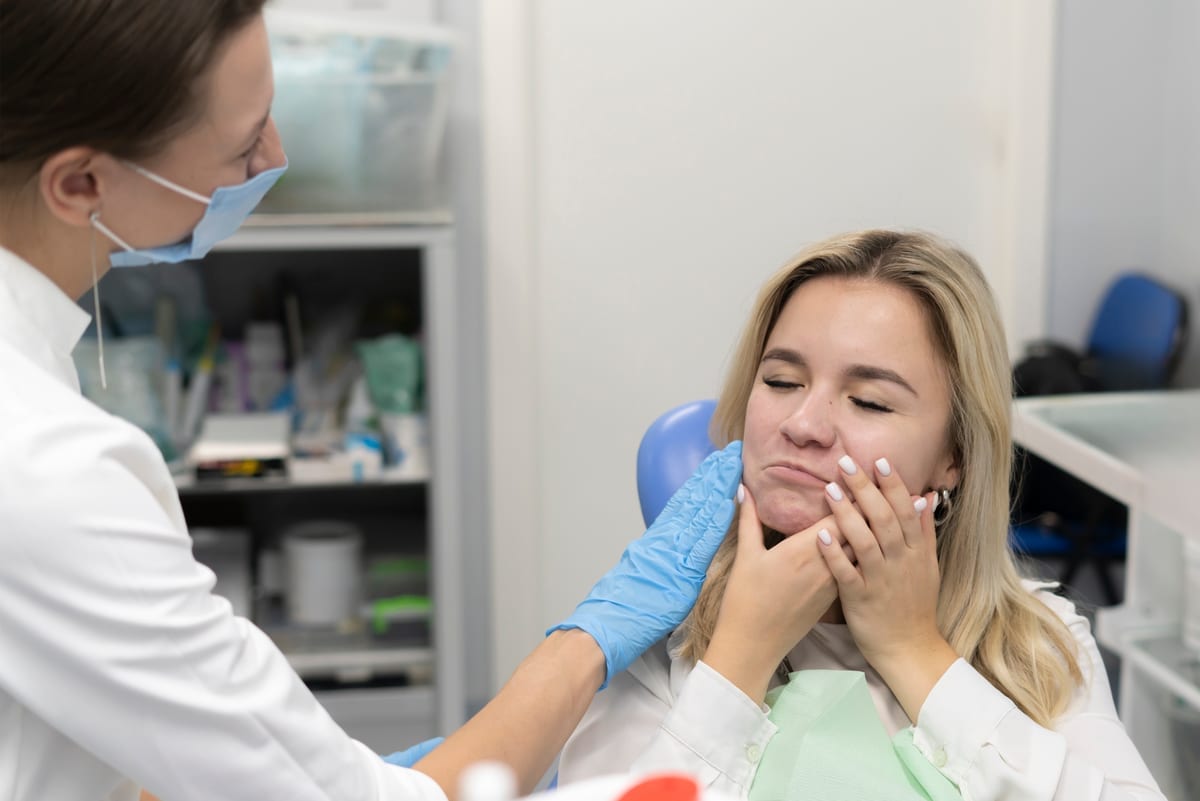
If you wake up with jaw soreness or a dull headache, you may be grinding your teeth at night. Breaking the bruxism cycle and understanding why your grinding worsens TMJ pain in St Johns is the first step toward lasting relief. Many patients at Vitalize Dental are surprised to learn that bruxism and TMJ disorder fuel each other in a vicious loop. Dr. Neal Patel helps patients identify this connection and interrupt it before permanent damage occurs.
What Is the Bruxism-TMJ Connection?
Bruxism is the habit of clenching or grinding your teeth, often during sleep. The temporomandibular joint, or TMJ, connects your jawbone to your skull. It handles every chew, yawn, and word you speak. When you grind, you place enormous stress directly on this sensitive joint.
Over time, that repetitive force wears down the cartilage inside the joint. Worn cartilage leads to inflammation, clicking sounds, and real pain. That pain then causes the surrounding muscles to tighten defensively. Tight muscles make grinding worse — and the cycle continues.
Many St Johns residents live with this cycle without realizing the two problems are linked. They treat headaches with over-the-counter medication and ignore the jaw. Meanwhile, the underlying damage quietly progresses.
How Bruxism Damages the TMJ Over Time
Teeth grinding is not just a bad habit — it is a physical force problem. Studies estimate that grinding generates up to ten times the pressure of normal chewing. The TMJ simply was not designed for that level of sustained stress.
Here is what happens inside the joint when bruxism goes untreated:
- Cartilage erosion: The protective disc inside the joint breaks down gradually.
- Bone-on-bone contact: Without healthy cartilage, bones rub together painfully.
- Muscle fatigue: Jaw muscles work overtime and become chronically sore.
- Tooth wear: Enamel thins and teeth may crack or fracture over time.
- Nerve sensitivity: Inflamed tissues can trigger sharp, radiating facial pain.
Each of these outcomes feeds back into more grinding. Pain signals keep the jaw muscles on high alert, promoting clenching even when you are awake. Recognizing this chain reaction is essential for effective treatment.
Why TMJ Pain Triggers Even More Grinding in St Johns Patients
This is the part most patients do not expect. TMJ pain does not just result from grinding — it actively causes more of it. When the joint hurts, your nervous system responds with muscle guarding. Your body tries to protect the injured area by keeping those muscles engaged.
That guarded tension translates directly into clenching. You may clench during stressful moments at work or while driving through busy St Johns traffic. You may grind harder at night as stress hormones remain elevated. The jaw never fully relaxes, so the TMJ never truly heals.
Stress plays a major role in this feedback loop. Anxiety increases the frequency and intensity of grinding episodes. A sore jaw creates more anxiety about pain. This emotional dimension is why breaking the bruxism cycle requires a whole-person approach, not just a dental appliance alone.
How Dr. Neal Patel Approaches TMJ Treatment at Vitalize Dental
At Vitalize Dental in St Johns, FL, Dr. Neal Patel begins with a thorough evaluation of your jaw, bite, and tooth wear patterns. No two bruxism cases look exactly alike. A personalized plan gives you the best chance of real, lasting relief.
TMJ treatment at our practice may include several components working together:
- Custom night guards: A precisely fitted oral appliance cushions the teeth and repositions the jaw during sleep.
- Bite adjustment: Correcting uneven bite surfaces reduces the forces that trigger clenching.
- Muscle relaxation guidance: Simple exercises and awareness techniques help reduce daytime clenching.
- Restorative care: Damaged teeth may need repair to restore proper bite function.
For patients whose grinding has caused significant tooth damage, Restorative Dentistry St Johns options like dental crowns can rebuild worn surfaces and reestablish a healthy bite relationship. Restoring the teeth is often a key step in stopping the cycle for good.
For patients concerned about smile changes caused by grinding, Cosmetic Dentistry St Johns solutions such as veneers can address surface damage while supporting long-term oral health. Dr. Patel takes care to ensure any cosmetic work also supports proper jaw function.
Practical Steps to Interrupt the Cycle at Home
Professional treatment works best when you support it with daily habits. Small changes at home can significantly reduce grinding frequency and joint strain. Think of these as tools that work alongside your dental care, not replacements for it.
Try these practical strategies between dental visits:
- Apply a warm compress to the jaw for ten minutes before bed to relax muscles.
- Avoid chewing gum — it keeps jaw muscles in a constant state of contraction.
- Limit caffeine in the afternoon and evening, as it elevates muscle tension.
- Practice slow, diaphragmatic breathing when you notice jaw tightness during the day.
- Sleep on your back when possible to reduce pressure on the jaw joint.
Awareness is powerful. Many people clench without noticing during focused tasks like reading or driving. Setting a phone reminder to check your jaw position can build the habit of keeping teeth apart when not eating. Even small reductions in grinding frequency give the TMJ time to recover.
When to Seek Professional Help in St Johns
Some signs indicate that home strategies alone are not enough. If you experience any of the following, schedule an evaluation with Dr. Patel soon. Early intervention prevents far more serious joint damage down the road.
Watch for these warning signs:
- Jaw pain or stiffness that lasts throughout the day
- Clicking, popping, or locking of the jaw joint
- Frequent morning headaches or earaches without an obvious cause
- Visibly worn, flattened, or chipped tooth edges
- Facial muscle soreness that does not improve with rest
These symptoms suggest that the bruxism-TMJ cycle is already advanced. The sooner you address it, the more of your natural tooth structure and joint health you preserve. Waiting rarely makes the situation better.
Conclusion: Break the Cycle and Protect Your Jaw Health
Breaking the bruxism cycle requires understanding the two-way relationship between grinding and TMJ pain. Bruxism damages the joint, and joint pain drives more grinding. Interrupting this loop takes professional guidance, the right dental appliances, and consistent home habits working together. Dr. Neal Patel and the team at Vitalize Dental are here to help St Johns patients find real relief and protect their long-term oral health. Book Now to schedule your appointment with our team.
Frequently Asked Questions
How do I know if I grind my teeth at night?
Common signs include waking up with jaw soreness, headaches, or tooth sensitivity. A partner may hear grinding sounds during sleep. Dr. Patel can also identify wear patterns on your teeth during a routine exam that confirm nighttime grinding activity.
Can a night guard completely stop TMJ pain?
A custom night guard is highly effective at reducing the pressure that causes TMJ damage, but it works best as part of a broader treatment plan. Bite adjustments, muscle relaxation techniques, and stress management all contribute to lasting relief alongside the appliance.
Is TMJ damage permanent if I have been grinding for years?
Some cartilage wear may not fully reverse, but many patients experience significant pain relief and improved function with proper treatment. The goal is to stop further damage and help the joint heal as much as possible. Early treatment always yields better outcomes than waiting.
How long does it take to feel relief from TMJ treatment?
Many patients notice reduced morning pain within a few weeks of consistently wearing a night guard. Full improvement in joint comfort often takes several months. Each patient responds differently depending on the severity of damage and how consistently they follow the treatment plan.
Can stress alone cause bruxism, even without a bite problem?
Yes, psychological stress is one of the most common drivers of bruxism. Anxiety and high-stress lifestyles increase muscle tension throughout the body, including the jaw. Addressing stress through relaxation practices alongside dental treatment produces better results than dental care alone.