254 Everest Ln #3, St Johns, FL 32259

If you are exploring tooth replacement options in St Johns, FL, you are not alone. Many patients come to Vitalize Dental feeling overwhelmed by the choices available. Understanding full dentures vs implant-supported options — and which denture suits your needs in St Johns — can make that decision much easier. Dr. Neal Patel and our team are here to walk you through every option clearly and honestly.
What Are the Main Types of Dentures?
Dentures are removable or fixed dental appliances that replace missing teeth. They restore both function and appearance after significant tooth loss. There are three primary types to understand before making any decision.
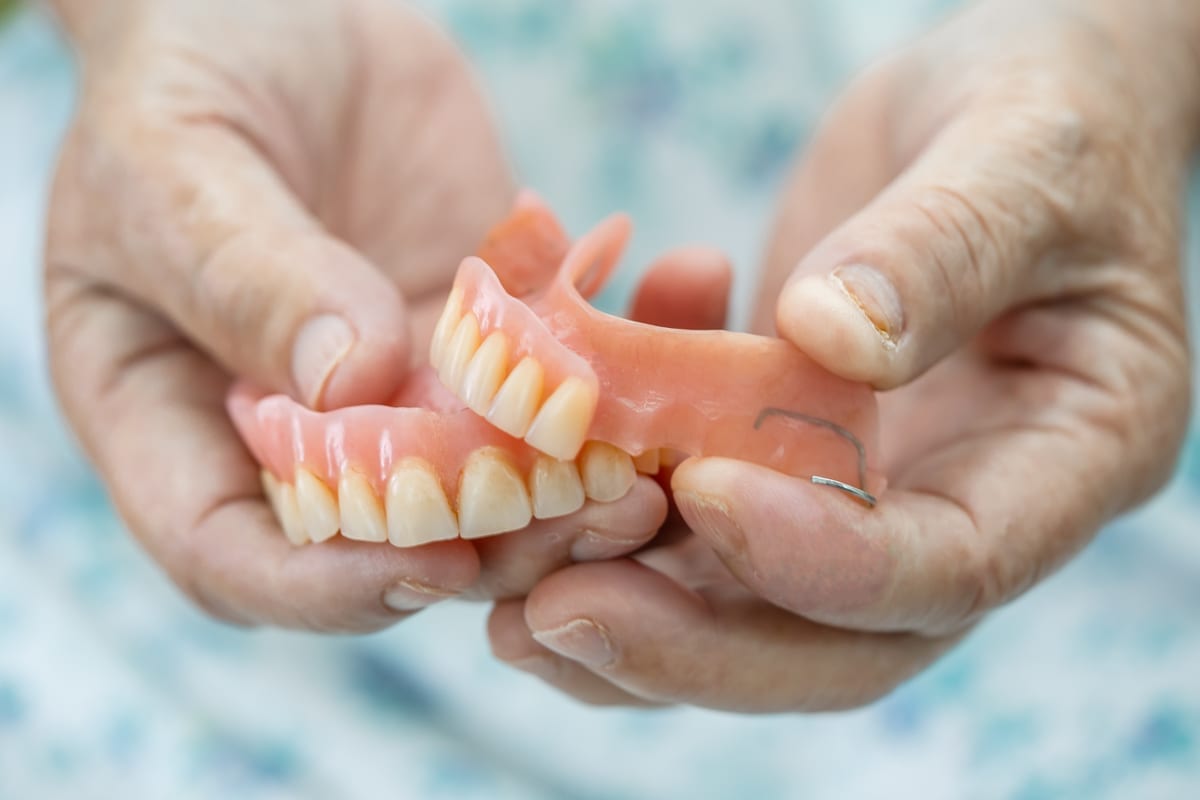
Full dentures replace all teeth in the upper or lower arch. They rest on the gum tissue and are held in place by suction or adhesive. Partial dentures fill gaps when some natural teeth still remain. They clip onto existing teeth using metal or flexible attachments.
Implant-supported dentures are anchored to titanium posts surgically placed in the jawbone. They offer a more secure, stable fit than traditional options. Each type serves different patient needs and budgets. Knowing the differences helps you have a more informed conversation with your dentist.
Full Dentures vs Implant-Supported: Which Denture Suits Your Needs in St Johns?
The right choice depends on several personal factors. Your bone density, remaining teeth, lifestyle, and long-term goals all play a role. Dr. Neal Patel evaluates each patient individually at Vitalize Dental before making any recommendation.
Full dentures work well for patients who have lost all teeth in one or both arches. They are non-surgical and typically more affordable upfront. However, they may shift during eating or speaking over time. Many patients require adhesives to keep them comfortable and secure.
Implant-supported dentures are ideal for patients who want a permanent, stable solution. They function much more like natural teeth. Because they anchor to the jawbone, they also help prevent bone loss after tooth loss. Patients who are healthy enough for minor oral surgery are often excellent candidates.
Here is a quick side-by-side comparison to help clarify your options:
- Full Dentures: Removable, no surgery required, rest on gums, may need adhesive
- Partial Dentures: Removable, attach to remaining teeth, fill specific gaps only
- Implant-Supported Dentures: Fixed or removable, anchored by implants, preserve jawbone, highly stable
Who Is a Good Candidate for Each Option?
Not every patient is suited to every type of denture. A thorough dental exam is always the first step. Dr. Patel uses digital X-rays and oral evaluations to guide each recommendation.
Full dentures suit patients who have experienced complete tooth loss in one or both arches. They also work for those who may not qualify for surgery due to health conditions. Patients seeking a faster, non-invasive solution often start here.
Partial dentures are a great fit when healthy natural teeth still remain. They are less invasive than implants and more cost-effective than full replacement. Patients with good oral health overall tend to do well with this option.
Implant-supported dentures suit patients with sufficient jawbone density and good general health. Patients who want the most natural feel and function prefer this approach. Those committed to a longer treatment timeline also benefit most from implants. As part of our broader Restorative Dentistry St Johns services, we help patients find the right fit for their specific situation.
What Does the Denture Process Look Like at Vitalize Dental?
Understanding the treatment journey helps reduce anxiety and set realistic expectations. The process differs depending on which type of denture you choose. Here is what patients in St Johns can typically expect:
For full or partial dentures:
- Initial consultation and dental impressions
- Custom fabrication of your denture appliance
- Fitting appointment with adjustments as needed
- Follow-up visits to ensure comfort and function
For implant-supported dentures:
- Comprehensive exam including bone density assessment
- Surgical placement of titanium implant posts
- Healing period of several months for osseointegration
- Attachment of custom denture to the implant posts
- Final adjustments and ongoing care guidance
The implant process takes longer, but the results are often more lasting. Both options are completed with patient comfort as a top priority. Our team provides thorough aftercare instructions at every stage.
Caring for Your Dentures Long-Term
Proper care extends the life of any denture type. It also keeps your gums and remaining teeth healthy over time. Vitalize Dental educates every patient on the best maintenance routine for their specific appliance.
For removable dentures, daily cleaning is essential. Use a soft brush and non-abrasive denture cleaner. Soak them overnight to maintain their shape and hygiene. Never use hot water, as it can warp the material.
Implant-supported dentures require brushing just like natural teeth. Flossing around the implant posts removes bacteria that can cause infection. Regular check-ups at Vitalize Dental ensure implants remain healthy and stable.
Benefits of keeping up with denture care include:
- Longer appliance lifespan
- Reduced risk of gum irritation and infection
- Better fit and improved comfort over time
- Fresher breath and improved overall oral hygiene
Whether you choose traditional dentures or implant-supported ones, routine dental visits remain important. Our team also offers Cosmetic Dentistry St Johns services to help your smile look its best alongside your restorative work.
Making Your Decision with Confidence in St Johns
Choosing between full dentures and implant-supported options is a personal decision. There is no universally right answer. The best choice is the one that fits your health, goals, and lifestyle. Dr. Neal Patel takes time with every patient to make sure you feel fully informed before moving forward.
Vitalize Dental serves the St Johns, FL community with honest, patient-centred guidance. We never rush a recommendation. Our goal is always your long-term oral health and comfort. If you are ready to explore your options, our team is here to help. Book Now to schedule your appointment with our team.
Frequently Asked Questions
How long do full dentures typically last?
Full dentures usually last between five and ten years with proper care. Over time, your jawbone changes shape, which can affect how the denture fits. Regular check-ups help ensure your denture continues to fit comfortably. Relining or replacing the appliance may be needed as the years pass.
Are implant-supported dentures painful to get?
The implant placement procedure is performed under local anaesthesia, so most patients feel little discomfort during the process. Some soreness and swelling are normal in the days following surgery. Dr. Patel provides detailed aftercare instructions to manage any post-procedure discomfort. Most patients report that the long-term comfort of implants is well worth it.
Can I eat normally with dentures?
Full dentures may require some dietary adjustments, especially at first. Sticky or very hard foods can dislodge traditional dentures during eating. Implant-supported dentures provide much greater stability and allow a wider range of foods. Your dentist will guide you on what to expect during your adjustment period.
How do I know if I have enough bone for implants?
Bone density is assessed through digital X-rays and sometimes a CT scan during your consultation. Patients who have experienced significant bone loss may not qualify for implants without bone grafting first. Dr. Patel evaluates each case individually to determine the most appropriate path. Many patients are surprised to find they are good candidates even after extended tooth loss.
What is the difference between snap-in and fixed implant-supported dentures?
Snap-in dentures attach to implants but can still be removed by the patient for cleaning. Fixed implant dentures are permanently secured and can only be removed by a dentist. Both provide more stability than traditional full dentures. Your dentist will recommend the best type based on your bone health and lifestyle preferences.