254 Everest Ln #3, St Johns, FL 32259

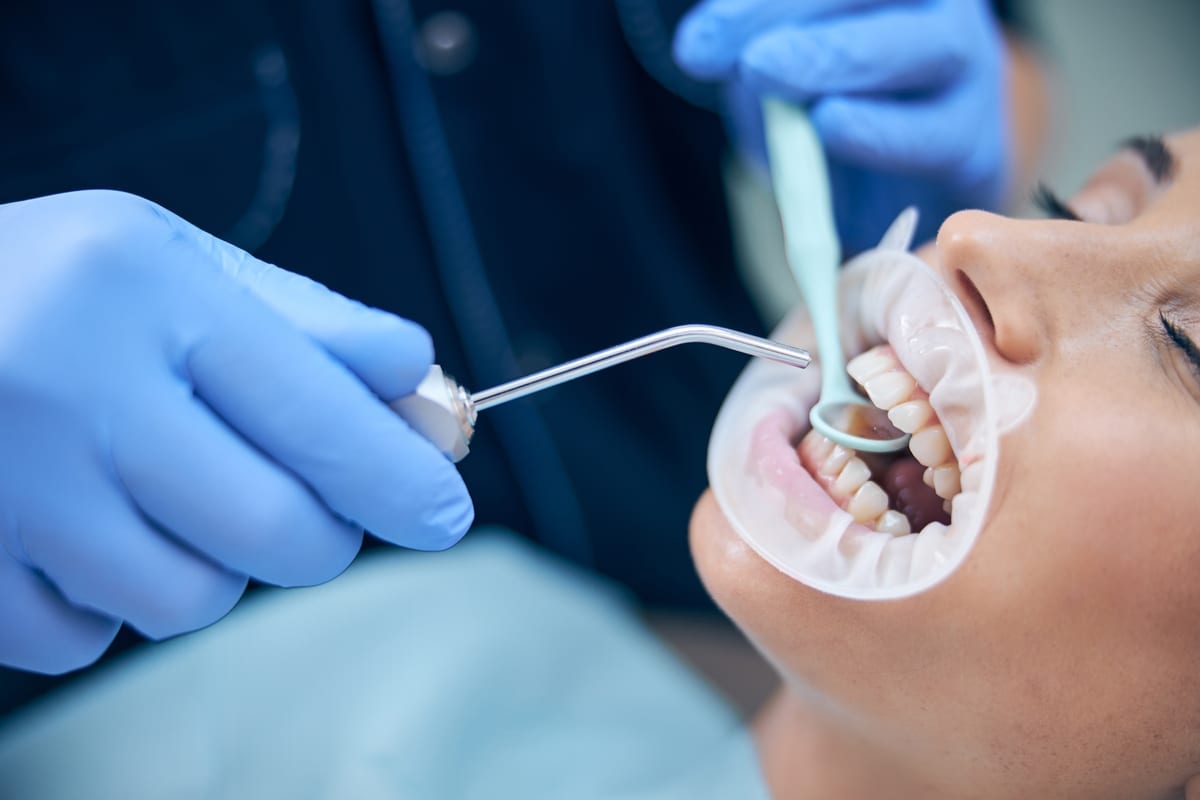
If you’ve recently completed gum disease treatment, you’re probably wondering: does gum disease treatment really last, or will you need it again in St Johns? It’s one of the most common questions Dr. Neal Patel hears at Vitalize Dental. The honest answer is — it depends. Treatment can deliver long-lasting results, but your habits and follow-up care play a major role in how long those results hold.
Gum disease, also called periodontal disease, is a chronic condition. That means it can be managed effectively, but it rarely disappears forever without ongoing attention. Understanding what affects longevity puts you firmly in control of your oral health.
How Long Does Gum Disease Treatment Last in St Johns?
The lifespan of gum disease treatment varies from patient to patient. For many people, professional deep cleaning — also called scaling and root planing — delivers significant improvement. Gum pockets shrink, inflammation reduces, and bleeding stops. These results can last for years with proper maintenance.
However, the bacteria that cause gum disease never fully disappear from your mouth. They can rebuild harmful colonies within weeks without consistent oral hygiene. That’s why longevity isn’t measured by a single treatment — it’s measured by what you do afterward.
Clinical studies show that patients who follow through with maintenance appointments maintain healthy gums far longer. Skipping those appointments dramatically increases the risk of recurrence. In short, the treatment works — but only when you stay committed.
What Shortens the Lifespan of Gum Disease Treatment?
Several factors can speed up the return of gum disease after treatment. Knowing them helps you avoid common pitfalls that reduce your results.
- Skipping maintenance appointments: Bacteria re-colonize quickly without professional cleanings.
- Poor brushing and flossing habits: Plaque buildup at the gumline triggers inflammation fast.
- Smoking or tobacco use: Tobacco restricts blood flow and slows gum healing significantly.
- Uncontrolled diabetes: High blood sugar worsens gum inflammation and slows recovery.
- Dry mouth: Reduced saliva lets harmful bacteria thrive unchecked.
- Stress: Chronic stress weakens your immune response to bacterial infections.
- Grinding teeth (bruxism): Excessive force damages gum tissue and bone over time.
If any of these factors apply to you, discuss them openly with Dr. Patel. Addressing risk factors early protects the investment you’ve made in your treatment.
What Extends Your Results After Gum Disease Treatment?
The good news is that consistent habits can dramatically extend the life of your gum disease treatment. Patients who take a proactive approach often go many years without needing retreatment.
- Periodontal maintenance visits: Schedule cleanings every three to four months, not just twice a year.
- Thorough daily brushing: Brush twice a day using proper technique for at least two minutes.
- Daily flossing: Flossing removes plaque from between teeth where brushes can’t reach.
- Antibacterial rinse: Chlorhexidine or similar rinses reduce bacterial load effectively.
- Healthy diet choices: Limit sugary foods and drinks that feed harmful oral bacteria.
- Quitting tobacco: Stopping smoking improves gum health dramatically within months.
- Managing systemic conditions: Keeping conditions like diabetes well-controlled supports gum healing.
Dr. Patel and the team at Vitalize Dental will build a personalized maintenance plan for you. Every patient’s situation is unique, so one-size-fits-all advice rarely works long-term.
What Does Ongoing Gum Disease Maintenance Look Like at Vitalize Dental?
Once your active gum disease treatment is complete, you’ll transition into what’s called periodontal maintenance. This is different from a standard teeth cleaning — it’s more thorough and specifically designed for patients with a history of gum disease.
During each maintenance visit, your hygienist will measure your gum pocket depths. They’ll compare those numbers to your baseline measurements from before treatment. This tracking system catches any signs of recurrence early, before they become serious problems.
Your maintenance schedule will likely be every three to four months for the first year. Over time, if your gums stay stable, that schedule may be adjusted. Consistency in those early months is the most critical window for long-term success.
Vitalize Dental also offers comprehensive Cosmetic Dentistry services for patients who want to improve their smile appearance after completing gum disease treatment. Healthy gums are the foundation for any cosmetic work — so treating gum disease first is always the right call.
Will You Ever Need Gum Disease Treatment Again?
Some patients do require additional treatment down the road. This doesn’t mean the original treatment failed — it means gum disease is a chronic condition that needs long-term management. Think of it like managing high blood pressure. You don’t treat it once and forget it.
If gum disease does return, catching it early makes retreatment simpler and less invasive. That’s precisely why maintenance appointments matter so much. Early-stage recurrence responds well to professional cleaning and adjusted home care.
In more advanced cases of recurrence, surgical treatment may be necessary. But for most patients in St Johns who stay committed to their maintenance schedule, this can be avoided entirely. Your daily habits are genuinely your most powerful tool.
If you ever experience sudden pain or swelling in your gums, don’t wait for your next scheduled visit. Vitalize Dental provides Emergency Dentistry services so you can get prompt care when unexpected issues arise.
Your Long-Term Gum Health Starts With the Right Partnership
Gum disease treatment can absolutely last — but it requires partnership between you and your dental team. Dr. Neal Patel and the team at Vitalize Dental in St Johns are committed to helping you maintain healthy gums for life. You don’t have to navigate this alone.
Whether you’re just finishing treatment or wondering if your current gum health needs attention, we’re here to help. The key is consistency, communication, and showing up for your maintenance appointments. Small, regular investments in your gum health pay off enormously over time.
Take the next step toward lasting gum health today. Book Now to schedule your appointment with our team.
Frequently Asked Questions
Does gum disease treatment really last in St Johns without repeat procedures?
Gum disease treatment can last for many years, but it depends heavily on your maintenance routine. Patients who attend regular periodontal maintenance appointments and practice good daily hygiene often avoid retreatment for a long time. The bacteria that cause gum disease can return, so ongoing care is essential.
How often should I come in after gum disease treatment?
Most patients benefit from periodontal maintenance visits every three to four months after completing active treatment. This schedule allows your dental team to monitor gum pocket depths and catch any early signs of recurrence before they become serious. Over time, this schedule may be adjusted based on your progress.
Can gum disease come back after deep cleaning?
Yes, gum disease can recur after deep cleaning if home care habits and maintenance appointments are not maintained consistently. Deep cleaning removes harmful bacteria and smooths root surfaces, but bacteria naturally rebuild over time. Staying consistent with brushing, flossing, and professional cleanings is the best way to prevent recurrence.
What habits make gum disease treatment last longer?
Brushing twice daily, flossing every day, attending periodontal maintenance appointments, quitting tobacco, and managing conditions like diabetes all help extend treatment results. Reducing stress and using an antibacterial rinse can also support long-term gum health. Your dentist can recommend the most important habits for your specific situation.
Is there a difference between a regular cleaning and periodontal maintenance?
Yes, there is an important difference. A standard cleaning focuses on the visible surfaces of teeth above the gumline. Periodontal maintenance goes deeper, cleaning below the gumline and measuring gum pocket depths to track your healing. Patients with a history of gum disease need this more thorough level of care.