254 Everest Ln #3, St Johns, FL 32259

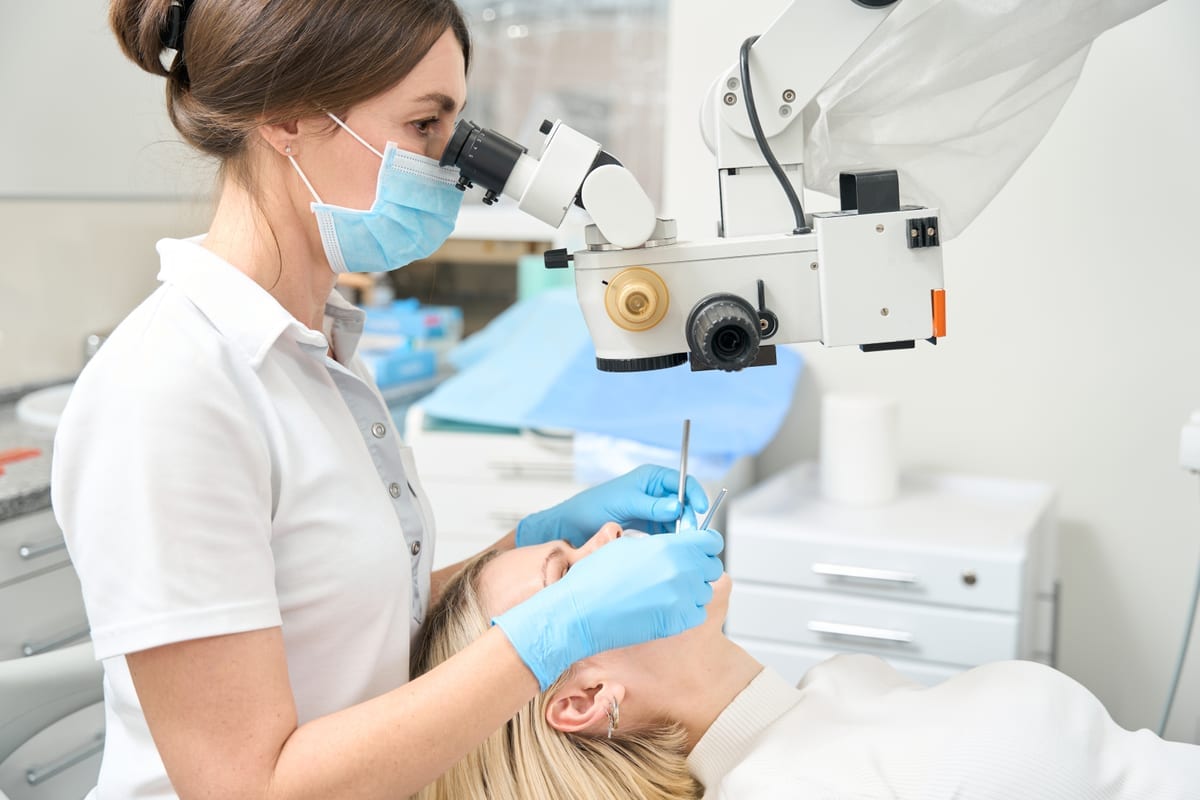
Root canal recovery in St. Johns doesn’t have to feel overwhelming. Most patients at Vitalize Dental are surprised by how manageable the healing process really is. Dr. Neal Patel and our team want you to feel confident and prepared every step of the way. Understanding what to eat, when pain stops, and red flags to watch for can make all the difference.
This guide covers the full root canal recovery experience. We’ll walk through diet tips, pain management options, and warning signs that need attention. Whether you just had your procedure or you’re planning ahead, this information is for you.
What to Eat During Root Canal Recovery in St. Johns
Your diet plays a huge role in how smoothly you heal. The treated tooth and surrounding tissue need time to settle. Eating the wrong foods can cause unnecessary pain or damage the temporary crown placed after your procedure.
For the first 24 to 48 hours, stick to soft, cool, or lukewarm foods. Avoid anything hard, crunchy, chewy, or very hot. These textures and temperatures can irritate sensitive tissue or dislodge a temporary restoration.
Great food choices during early recovery include:
- Yogurt and smoothies
- Mashed potatoes or mashed sweet potatoes
- Scrambled eggs or soft-boiled eggs
- Oatmeal and cream of wheat
- Applesauce and ripe bananas
- Broth-based soups (not too hot)
- Soft pasta or well-cooked rice
After the first few days, you can gradually reintroduce more foods. Listen to your body throughout the process. If chewing causes pain, dial back to softer options and give yourself more time.
Try to chew on the opposite side of your mouth for at least a week. This protects the treated tooth while it heals and before a permanent crown is placed. Dr. Patel will advise you on when it’s safe to return to your normal diet.
How Long Does Pain Last — and Which OTC Relievers Help
Many patients worry about pain after a root canal. The truth is that most discomfort is mild and temporary. You may feel tenderness around the tooth and jaw for a few days, especially when biting down.
This sensitivity is completely normal. The tissues surrounding the root tip become slightly inflamed during treatment. That inflammation takes a few days to calm down on its own.
Over-the-counter pain relievers that work well include:
- Ibuprofen (Advil, Motrin): Reduces both pain and inflammation — often the most effective choice
- Acetaminophen (Tylenol): Helpful if you can’t take NSAIDs or prefer an alternative
- Combination approach: Some patients alternate ibuprofen and acetaminophen every few hours for better coverage
Always follow the dosage instructions on the label. Never exceed recommended amounts. If you have any medical conditions or take other medications, check with your doctor before combining pain relievers.
Most patients in St. Johns find that discomfort peaks within the first 24 hours. It typically improves significantly by day two or three. By the end of the first week, most people feel close to normal. Full sensitivity resolution can take a few weeks in some cases, but daily life should feel comfortable much sooner.
Red Flags to Watch for After Your Root Canal
While complications are rare, they do happen occasionally. Knowing what’s normal versus what’s concerning keeps you safe. Dr. Neal Patel encourages every patient to stay in touch if something doesn’t feel right.
Normal post-treatment symptoms include mild soreness, slight swelling, and sensitivity to pressure. These symptoms gradually improve over several days. If they worsen instead of improving, that’s a signal to call our office.
Red flags that require prompt attention include:
- Severe or worsening pain that doesn’t respond to OTC medication
- Swelling in the face, jaw, or neck that increases after day two
- Fever above 101°F that develops or persists
- Visible pus or discharge around the treated tooth
- The temporary crown or filling falls out completely
- An allergic reaction to prescribed medication (rash, hives, trouble breathing)
If you experience any of these symptoms, contact Vitalize Dental right away. Some situations may require Emergency Dentistry care to address an infection or restoration issue quickly. Don’t wait and hope the problem resolves on its own.
Acting early prevents complications from escalating. Our team is here to help you through every stage of recovery. Your safety and comfort are always our top priority.
Protecting Your Tooth After the Procedure
A root canal removes infected or damaged pulp from inside your tooth. After treatment, the tooth structure itself is more fragile. That’s why most root canal teeth need a dental crown to protect them long-term.
Until your permanent crown is placed, a temporary restoration sits over the tooth. This temporary filling or cap is not as strong as the final crown. Be cautious about hard foods, grinding your teeth, or anything that could crack or dislodge it.
Maintaining good oral hygiene is still important during recovery. Brush gently around the treated area. Floss carefully without snapping the floss at the gumline. Keeping the area clean reduces the risk of reinfection.
Once your permanent crown is in place, the tooth should function normally. With proper care, a root canal-treated tooth can last for many years. Many patients go on to enjoy full use of that tooth without further problems.
When to Schedule Your Follow-Up Visit
Dr. Patel will schedule a follow-up appointment to place your permanent crown. This visit is critical — don’t skip it or delay it too long. The temporary restoration is not designed for extended use.
Beyond the crown placement, a follow-up also allows Dr. Patel to confirm the area is healing properly. He can catch early signs of any issue before it becomes more serious. Most patients in St. Johns complete their root canal treatment in just two visits.
If you notice anything unusual between appointments, call our office. We’d rather hear from you and reassure you than have you suffer in silence. Our team is always happy to answer questions or schedule a quick check if needed.
Looking ahead, keeping up with regular dental checkups helps protect all your teeth. Consistent preventive care also catches problems early. If you’re ever curious about enhancing your smile after recovery, explore options through our Cosmetic Dentistry services at Vitalize Dental.
Conclusion: You’re in Good Hands at Vitalize Dental
Root canal recovery is very manageable with the right information and support. Eat soft foods, use OTC pain relievers as directed, and watch for red flags that need professional attention. Dr. Neal Patel and the Vitalize Dental team in St. Johns are committed to guiding you every step of the way.
You don’t have to navigate recovery alone. Our friendly, knowledgeable team is here to answer questions and address concerns quickly. We believe every patient deserves care that is thorough, compassionate, and clear. Book Now to schedule your appointment with our team.
Frequently Asked Questions
How long does it take to recover from a root canal?
Most patients feel noticeably better within two to three days. Mild sensitivity can linger for up to a week or two. Full healing of the surrounding tissue may take a few weeks, but most daily activities are comfortable much sooner than that.
Can I go to work the day after a root canal?
Many patients return to work the next day without difficulty. If your job involves strenuous physical activity, you may want to take an extra day to rest. Listen to how you feel and don’t push yourself too hard in the first 24 hours.
Is it normal to have swelling after a root canal?
Some mild swelling around the gum area is normal for the first day or two. Applying a cold pack to the outside of your cheek can help reduce it. If swelling increases after 48 hours or spreads to your face or neck, contact your dentist promptly.
What should I avoid eating after a root canal?
Avoid hard, crunchy, and chewy foods for at least the first few days. Also avoid very hot foods and beverages, as they can increase sensitivity. Sticky foods like caramel or chewing gum can pull at your temporary restoration and should be avoided until your permanent crown is placed.
When should I be worried about pain after a root canal?
Mild to moderate soreness in the first few days is expected and normal. You should be concerned if pain is severe, worsening after day three, or not responding to over-the-counter medication. These signs may indicate an infection or other complication that requires prompt care from your dentist.