254 Everest Ln #3, St Johns, FL 32259


Understanding why your teeth need different care after 60 in St Johns is essential for protecting your long-term health. Aging brings real changes to your mouth. These changes can quietly cause serious problems if left unaddressed. Dr. Neal Patel at Vitalize Dental helps older adults in St Johns, FL navigate these shifts with confidence and comfort.
Many people assume that good brushing habits are enough. After 60, that is rarely the full story. Medications, natural wear, and shifting gum tissue all create new vulnerabilities. Knowing what to watch for makes all the difference.
How Aging Changes Your Oral Health After 60 in St Johns
Your mouth changes significantly as you age. Saliva production often decreases as a side effect of common medications. Dry mouth is one of the most overlooked dental concerns for seniors. Without enough saliva, bacteria thrive and tooth decay accelerates quickly.
Gum recession is another common issue after 60. As gums pull back, the roots of your teeth become exposed. Root surfaces are softer than enamel and decay much faster. This is why root decay becomes a growing concern for older adults.
Bone density also decreases with age. This affects how your jaw supports your teeth. Loose teeth or shifting bite patterns can result. Early detection through regular checkups helps prevent bigger problems down the road.
- Dry mouth caused by medications increases cavity risk
- Gum recession exposes vulnerable root surfaces
- Bone loss can loosen teeth and shift your bite
- Enamel naturally wears thinner over decades of use
- Nerve tissue shrinks, making tooth pain harder to detect
Common Medications and Their Impact on Your Teeth
Seniors typically take more medications than younger adults. Many of these drugs reduce saliva flow as a side effect. This includes antihistamines, blood pressure medications, and antidepressants. The result is a consistently dry oral environment that is prone to decay.
Dry mouth is not just uncomfortable. It removes one of your body’s best natural defenses. Saliva neutralizes acid and washes away food particles. Without it, enamel erodes and cavities form much more quickly.
Dr. Neal Patel recommends discussing your full medication list at every visit. Identifying dry mouth early allows for preventive strategies. These may include prescription fluoride treatments or specialized rinses. Small adjustments can dramatically reduce your long-term risk.
You should also stay well hydrated throughout the day. Sipping water regularly helps compensate for reduced saliva. Chewing sugar-free gum can also stimulate natural saliva production. These simple habits support your dental health between appointments.
Dentures, Crowns, and Restorations: What Seniors Should Know
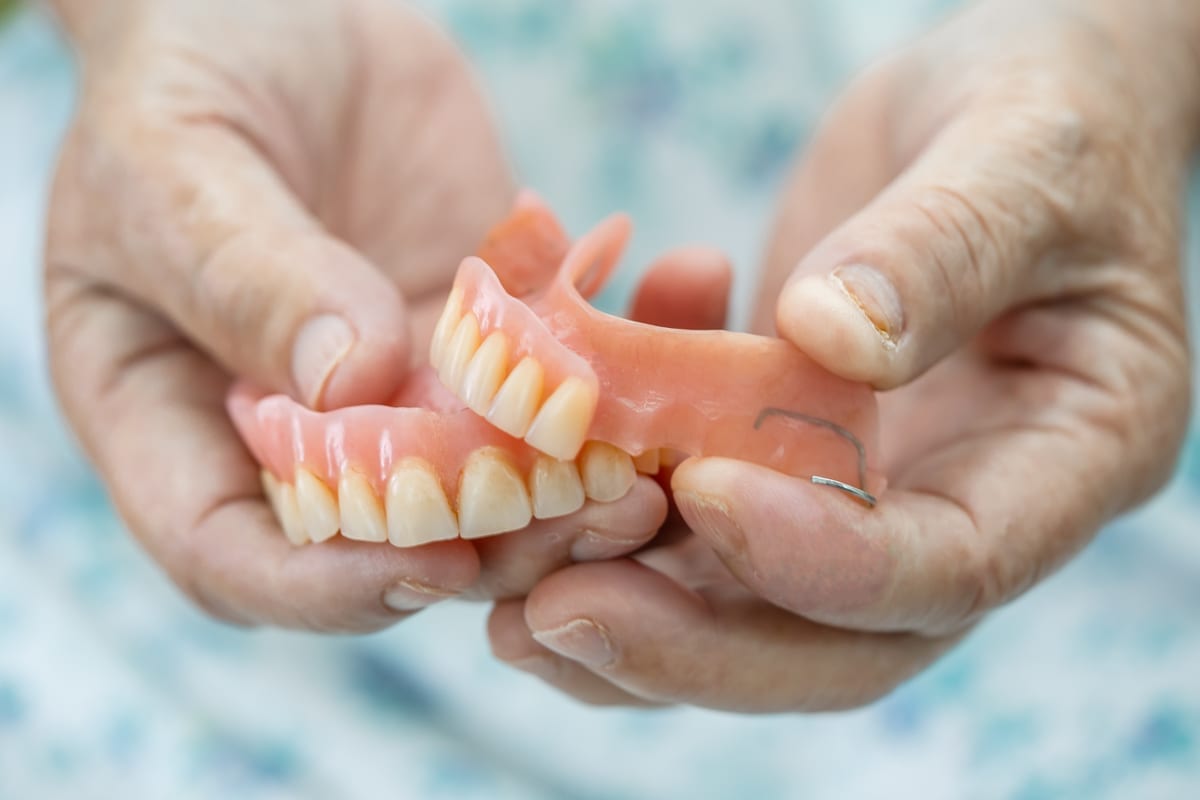
Many adults over 60 rely on dental restorations to maintain function. Dentures, crowns, and bridges all require ongoing care. They are not a permanent solution that can be forgotten. Regular checkups ensure they continue to fit properly and function well.
Ill-fitting dentures cause sore spots, difficulty chewing, and bone loss. As the jaw changes shape over time, dentures need periodic adjustments. Dr. Patel evaluates denture fit at every appointment. Proper fit protects both your comfort and your jaw health.
Cosmetic Dentistry options like veneers and teeth whitening are also available for older patients. Many seniors want to refresh their smile while addressing functional concerns. Dr. Patel takes a comprehensive approach to balance aesthetics and health. You do not have to choose between looking good and feeling good.
- Have dentures evaluated at least once a year for fit
- Clean dentures daily to prevent bacterial buildup
- Report any soreness or slipping to your dentist promptly
- Ask about implant-supported dentures for better stability
- Protect remaining natural teeth with regular cleanings and fluoride
Gum Disease and Root Decay: Elevated Risks After 60
Gum disease becomes more common and more aggressive with age. Seniors face a higher baseline risk due to years of cumulative exposure. Hormonal changes, medications, and immune system shifts all contribute. The condition progresses silently and causes significant damage before most people notice it.
Root decay follows closely behind gum recession. When gums recede, exposed root surfaces become targets for bacteria. These areas are not protected by hard enamel. They require more frequent professional cleanings and preventive care.
Left untreated, gum disease can lead to tooth loss. It has also been linked to heart disease and diabetes complications. This makes treatment more than a cosmetic concern. Addressing it early protects your whole-body health, not just your smile.
If you experience a dental emergency related to gum pain or sudden tooth loss, Emergency Dentistry services are available at Vitalize Dental. Prompt care can save teeth and prevent the spread of infection. Never delay when symptoms appear suddenly or feel severe.
Are Dental Implants Right for You After 60?
Dental implants are a highly effective tooth replacement option. Many seniors in St Johns are excellent candidates for this treatment. Age alone does not disqualify someone from receiving implants. Overall health and bone density are the most important factors.
A thorough evaluation at Vitalize Dental will determine your candidacy. Dr. Patel reviews your medical history, bone structure, and gum health. If bone loss has occurred, grafting procedures may be an option first. Many patients who initially seem ineligible become strong candidates after preparation.
Implants function like natural teeth. They do not slip, require adhesives, or limit your diet. They also preserve jawbone by stimulating it the same way natural roots do. This prevents the facial changes that often accompany tooth loss.
Why your teeth need different care after 60 in St Johns comes down to one idea: proactive attention. Implants represent the highest level of restorative care available today. They improve confidence, nutrition, and overall quality of life significantly.
Conclusion: Protecting Your Smile Through Every Decade
Your smile deserves expert, age-appropriate care at every stage of life. After 60, that means staying ahead of dry mouth, gum recession, and restorative needs. Dr. Neal Patel and the team at Vitalize Dental in St Johns, FL are here to help. Regular visits and personalized treatment plans make lasting oral health entirely achievable.
Do not wait for pain to signal a problem. Many dental issues in older adults develop without obvious symptoms. Preventive care is always more effective and comfortable than emergency treatment. Your best years deserve your best smile. Book Now to schedule your appointment with our team.
Frequently Asked Questions
Why does dental care become more important after age 60?
After 60, natural aging, medications, and cumulative wear create new risks. Dry mouth, gum recession, and root decay all become more common. Preventive care helps catch these issues before they become costly or painful. Regular visits allow your dentist to monitor changes specific to your age and health.
Can dry mouth really cause serious dental problems?
Yes. Saliva protects your teeth by neutralizing acid and washing away bacteria. When medications reduce saliva flow, decay accelerates significantly. Root surfaces are especially vulnerable to this kind of damage. Your dentist can recommend fluoride treatments and rinses to compensate.
Are seniors good candidates for dental implants?
Many seniors are excellent implant candidates. Age alone is not a disqualifying factor. Bone density and overall health are the key considerations. A thorough evaluation with Dr. Patel will determine whether implants are the right fit for your situation.
How often should adults over 60 see a dentist?
Most adults over 60 benefit from dental visits every six months. Some patients with gum disease or high decay risk may need more frequent cleanings. Your dentist will recommend a schedule based on your specific oral health needs. Consistent visits are the most effective way to catch and address age-related changes early.
What can I do at home to protect my teeth after 60?
Stay hydrated to combat dry mouth and use fluoride toothpaste daily. Brush twice a day with a soft-bristled brush to protect receding gums. Floss regularly and avoid sugary or acidic foods that accelerate decay. Report any changes in your mouth to your dentist promptly rather than waiting for your next scheduled visit.