254 Everest Ln #3, St Johns, FL 32259


Getting a dental crown is a two-visit process for most patients. Between those visits, you’ll wear a temporary crown. Understanding your temporary crown — what to eat, clean, and expect in St. Johns — makes this phase much easier. At Vitalize Dental, Dr. Neal Patel wants every patient to feel confident and informed during every step of treatment.
Temporary crowns are not permanent. They are designed to protect your prepared tooth until your final crown is ready. Treating them with care helps you avoid discomfort and costly complications. This guide covers everything you need to know.
What Is a Temporary Crown and Why Do You Need One?
When Dr. Patel prepares your tooth for a crown, he reshapes it to fit the permanent restoration. That reshaped tooth is vulnerable and sensitive. A temporary crown acts as a protective cover while your custom crown is fabricated at the dental lab.
Temporary crowns are made from acrylic or composite resin. They are not as strong as permanent crowns. They are secured with a weaker dental cement — intentionally so — making them easier to remove later.
Here is why your temporary crown matters:
- It protects the sensitive tooth underneath
- It holds the space so neighboring teeth don’t shift
- It allows you to chew and speak normally
- It gives you a preview of the final crown’s shape and size
Most patients in St. Johns wear a temporary crown for one to three weeks. Some cases require a longer wait depending on lab turnaround and your specific treatment plan.
What to Eat (and Avoid) With Your Temporary Crown in St. Johns
Your diet plays a big role in keeping your temporary crown secure. The cement holding it in place is not as strong as what anchors a permanent crown. Certain foods can loosen or dislodge it quickly.
Stick to soft, easy-to-chew foods while wearing your temporary. These are safe choices:
- Soft cooked vegetables like carrots, squash, or green beans
- Pasta, rice, and soft grains
- Eggs, fish, and tender cooked chicken
- Bananas, yogurt, and smoothies
- Soft bread without crusty edges
Avoid these foods during the temporary crown phase:
- Sticky candies, caramel, and gum — they pull the crown off
- Hard foods like raw carrots, nuts, and hard candy
- Crunchy foods like chips or hard crackers
- Chewy meats that require heavy biting force
- Extremely hot or cold foods that trigger sensitivity
Try to chew on the opposite side of your mouth when possible. This simple habit reduces stress on the temporary crown significantly.
How to Clean Your Temporary Crown Without Dislodging It
Oral hygiene does not stop because you have a temporary crown. In fact, keeping the area clean is essential for gum health and a successful final placement. You just need to adjust your technique slightly.
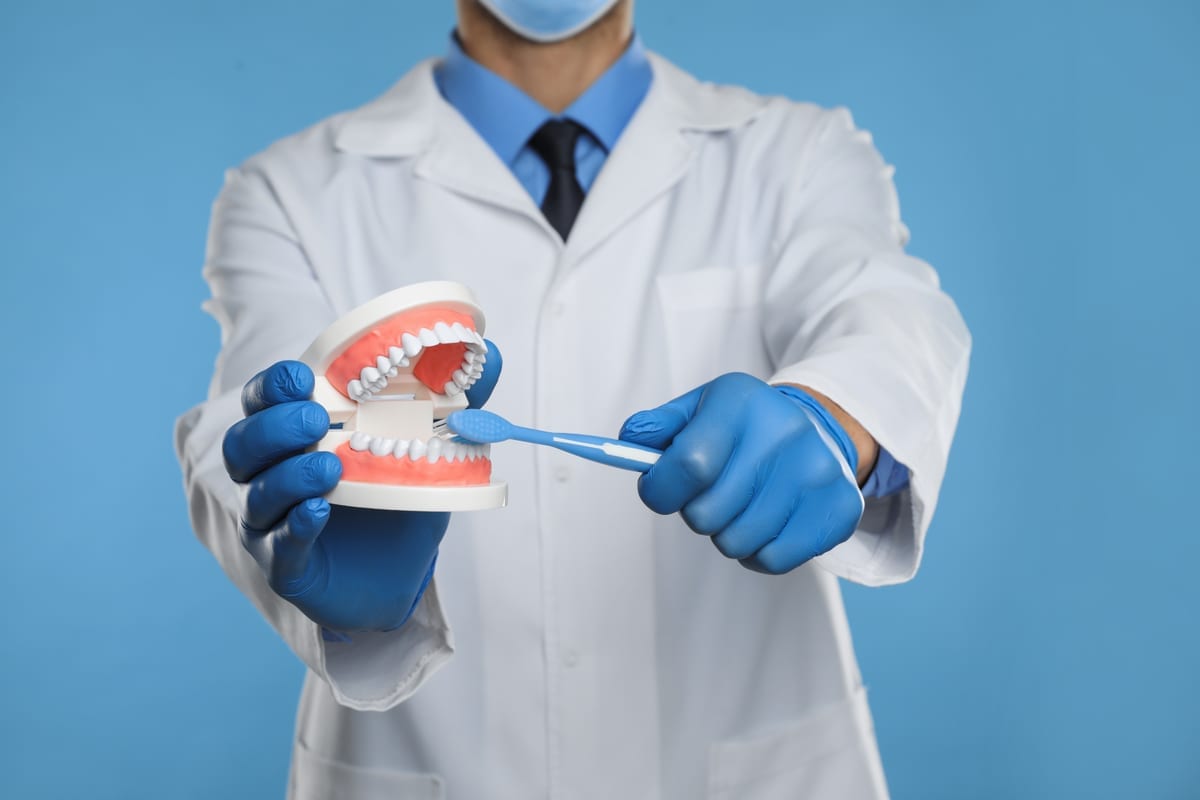
Brush gently around the temporary crown twice a day. Use a soft-bristled toothbrush and avoid aggressive scrubbing near the crown’s edges. Plaque buildup around a temporary can cause gum inflammation that complicates your final restoration.
Flossing requires extra care. Do not snap floss up and down between the temporary crown and adjacent teeth. Instead, slide floss gently to the side to remove it. Snapping it upward can pull the temporary loose.
Avoid alcohol-based mouthwashes near the temporary crown. These can weaken the temporary cement over time. Ask Dr. Patel at Vitalize Dental which rinse is safest for your situation.
What to Do If Your Temporary Crown Falls Off
Temporary crowns do sometimes come loose. Do not panic — this is a manageable situation. Acting quickly helps you avoid sensitivity and protect the prepared tooth underneath.
Follow these steps if your temporary crown falls off:
- Rinse the temporary crown gently with water and save it
- Avoid eating on that side of your mouth
- Call Vitalize Dental right away to schedule a same-day or next-day visit
- If you cannot see us immediately, dental adhesive from a pharmacy can temporarily reattach it
Never leave the prepared tooth exposed for more than a day or two. Without protection, the tooth can become painful and more sensitive. Neighboring teeth can also begin to shift within days.
If you experience severe pain or swelling after your crown comes off, that may require urgent attention. Emergency Dentistry services are available for situations that cannot wait for a regular appointment. Dr. Patel and the Vitalize Dental team are here to help St. Johns patients when unexpected dental issues arise.
What to Expect During and After the Temporary Crown Phase
Some sensitivity around a temporary crown is completely normal. Your tooth was recently prepared and reshaped. You may notice mild discomfort when biting, drinking hot beverages, or eating cold foods.
This sensitivity typically decreases after a few days. Over-the-counter pain relievers like ibuprofen can help manage mild discomfort. If pain is severe or worsening, contact Dr. Patel promptly.
Your gums may also feel slightly sore near the crown margin. This is a normal response to the dental work. Gentle brushing and salt water rinses can ease gum tenderness during the waiting period.
When your permanent crown is ready, Dr. Patel will remove the temporary, clean the tooth, and bond your final restoration. Most patients describe the second visit as quick and straightforward. The wait is worth it — your permanent crown is built to last many years with proper care.
Patients in St. Johns who also have goals beyond crown placement will be happy to know that Cosmetic Dentistry options at Vitalize Dental can complement your crown with treatments like veneers or teeth whitening. A beautiful, healthy smile often involves more than one step.
Tips for a Smooth Temporary Crown Experience
A few simple habits make the temporary crown phase easier and more comfortable. Keep these practical tips in mind throughout your wait:
- Avoid chewing gum entirely until your permanent crown is placed
- Sleep with a night guard if Dr. Patel recommends it — grinding puts stress on temporaries
- Let your dentist know immediately if the bite feels off or uneven
- Stay consistent with brushing and gentle flossing every day
- Keep your follow-up appointment — do not delay your permanent crown placement
A high bite is a common post-procedure complaint. If your temporary feels too tall when you bite together, call the office. Dr. Patel can make a quick adjustment that prevents soreness and jaw fatigue.
Schedule Your Crown Appointment at Vitalize Dental in St. Johns
Dr. Neal Patel and the team at Vitalize Dental are committed to making your crown experience as smooth as possible. From tooth preparation through final placement, we guide St. Johns patients every step of the way. We believe that an informed patient is a confident patient — and confident patients heal better. Book Now to schedule your appointment with our team.
Frequently Asked Questions
How long will I wear my temporary crown?
Most patients wear a temporary crown for one to three weeks. This gives the dental lab time to fabricate your custom permanent crown. In some complex cases, the timeline may be slightly longer. Dr. Patel will give you a specific estimate based on your treatment plan.
Can I brush my teeth normally with a temporary crown?
Yes, but use a soft-bristled toothbrush and gentle pressure around the crown area. Avoid snapping dental floss — slide it out from the side instead. Keeping the area clean prevents gum irritation and supports a successful final placement.
What if my temporary crown hurts or feels sensitive?
Mild sensitivity after crown preparation is normal and usually fades within a few days. Over-the-counter pain relievers can help. If pain is sharp, persistent, or worsening, contact Vitalize Dental promptly so Dr. Patel can evaluate the area.
Is it safe to eat normally with a temporary crown?
You can eat, but you should stick to soft foods and avoid sticky, hard, or chewy items. These can loosen or break the temporary crown. Chewing on the opposite side of your mouth whenever possible also reduces the risk of dislodging it.
What happens if I don’t get my permanent crown placed right away?
Delaying your permanent crown can cause problems. The prepared tooth becomes more vulnerable to damage and sensitivity over time. Neighboring teeth may shift, affecting your bite. It is important to keep your scheduled return appointment at Vitalize Dental.