254 Everest Ln #3, St Johns, FL 32259


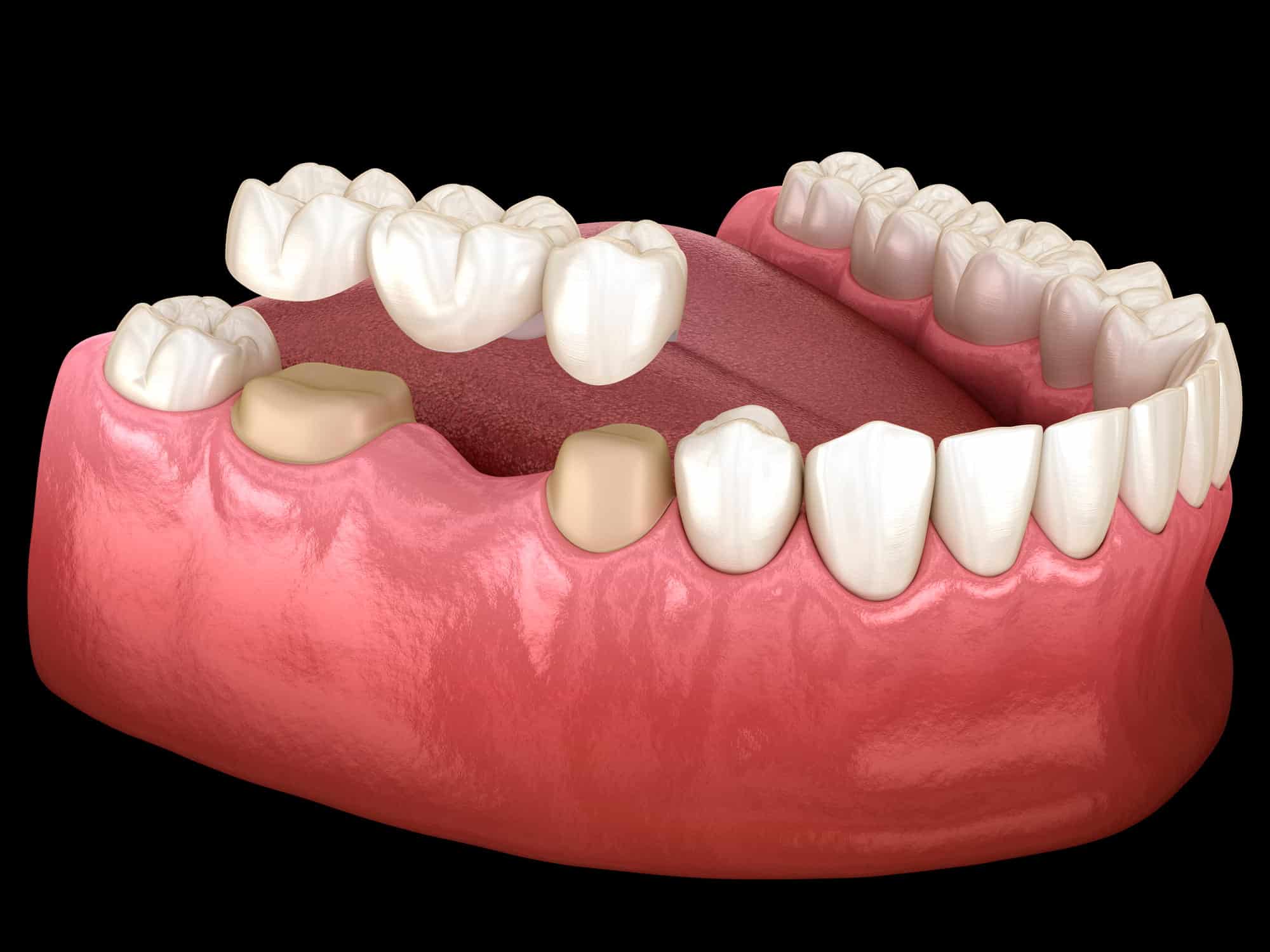
Dental crowns are a commonly preferred dental treatment for several teeth that have been significantly damaged. In essence, dental crowns provide patients with a durable, functional solution to their dental problems. Just like any other dental restoration, proper care of dental crowns is necessary for longevity. If you have dental crowns, you should understand the importance of caring for them. Therefore, the blog aims to provide you with the basic care needed to ensure the longevity of your dental crowns.
At Vitalize Dental, we understand that our local patients in St. Johns may be concerned about caring for dental crowns. Whether the problems you’re facing are related to daily wear and tear or the long-term life expectancy of dental crowns, we’re here to guide you through everything you want to know. There are several steps you can take to help ensure your dental crowns last longer.
Understanding Dental Crowns and Their Lifespan
Before proceeding to the care tips, it is essential to understand the longevity of dental crowns and the factors that affect their durability. Generally, they have a lifespan of 10 to 15 years.
The lifespan of dental crowns by material: The material used for dental crowns in St. Johns significantly affects their longevity. Porcelain crowns have a lifespan of between 10 and 15 years. On the other hand, gold crowns can last up to 20 years. These crowns have their advantages and disadvantages. Therefore, talking to Dr. Neal Patel can help you make the best choice for dental crowns.
Although crowns are designed to last a long time, they can still deteriorate. For instance, over time, intense forces, natural wear and tear on its surface, and sometimes problems with the crown margin, especially gum recession, can contribute to the deterioration and failure of the crown. One must always be on the lookout to avoid such problems.
Caring for Your Dental Crowns
1. Brush and Floss Regularly
One of the simplest yet most effective ways to care for your dental crowns is to practice good oral hygiene. Brushing your teeth at least twice a day with fluoride toothpaste, along with flossing, will go a long way toward maintaining clean, plaque-free crowns. Your crowned teeth are still prone to gum disease and cavities; don’t forget to brush the area around the crown.
2. Use a Night Guard
If you experience teeth grinding at night, we recommend using a night guard. This is because grinding can put pressure on your crowns, and if not addressed, it can lead to cracking and loosening. Using a night guard will help keep your crowns in place longer.
3. Avoid Excessive Force
One of the significant causes of damage to the crown is the use of too much force. This mainly happens when chewing on hard items, such as ice or candy. Chewing on items that could damage your crowns or cause discomfort should be avoided. Using your teeth to open bottles or packages should be avoided, as it can damage your crowns.
4. Watch for Pain When Biting
If you feel pain when biting down on something, there may be a problem with the way in which your crown fits. This pain could also indicate a loose or worn-down crown. If you live in the St. Johns area, feel free to contact Dr. Patel.
5. Monitor for Visible Cracks or Chips
Crowns can eventually chip or crack, especially under continuous pressure. If you notice a chipped or cracked crown, contact your dentist as soon as possible. Delays in addressing chipped or cracked crowns can lead to a loosened crown and even inflamed gums.
6. Keep an Eye on the Crown Margin
The area where the crown meets the tooth is called the crown margin. Over time, the cement that anchors the crown may wear away, creating an entry point for microorganisms that can cause tooth decay or gum recession next to the crown. Regular check-ups will ensure the crown fits accurately and the margin is intact.
7. Be Aware of Gum Recession
Gum recession may expose the edges of dental crowns, increasing the risk of decay. If you notice gum recession, the best course of action is to consult a dentist. Protecting dental crowns in St. Johns from gum recession is essential for their long-lasting performance.
Do Crowns Need to Be Replaced?
Your crown will last for many years if properly maintained. However, if you notice signs such as a dark line along the gum line or looseness, it is time to get a new one. Early detection of problems will help prevent potential damage to your teeth. Your dentist can tell you if crown needs to be replaced. If it’s needed, they will examine your mouth properly and then get you a new customized crown.
Factors Affecting Crown Longevity
The longevity of your dental crown depends on several key factors:
Dentist’s skill set: A precise fit and craftsmanship are crucial to the durability of a long-lasting crown. Make sure your dentist uses the precision of digital scanners and other technologies to ensure an accurate fit.
Occlusion Alignment: Correct occlusion alignment ensures that your upper and lower teeth fit correctly when you bite. Incorrect occlusal alignment places undue stress on the crown, leading to early degradation.
Cement Failure: The adhesive that holds your crown in place may fail over time. If the crown feels loose or uncomfortable to wear, it may indicate cement failure.
Wear and tear: Regular wear from chewing, grinding, and other everyday activities will naturally affect the crown’s surface. Maintaining a healthy oral routine and avoiding harmful habits will help reduce the effects of wear and tear.
Conclusion: Keep Your Dental Crowns in Great Shape
Maintaining your dental crowns in St. Johns is crucial for their long-lasting effectiveness. These simple tips will help you achieve this. Schedule a visit with Dr. Neal Patel for a checkup and ensure your dental crowns function effectively for the long term. If you need dental crown assistance, look no further. At Vitalize Dental, we can help you maintain a healthy smile.
If you have any issues with your dental crowns or need a dental check-up, schedule an appointment with Vitalize Dental today. Our team of experts will assist you in maintaining your healthy smile and keeping your dental crowns in good condition. Book an appointment with us now!
Common Questions People Ask
How long do dental crowns last?
Dental crowns last approximately 10 to 15 years, depending on the material and your dental hygiene.
Are crowns required to be changed?
Yes, crowns do need to be replaced if they become loose, damaged, or worn beyond a certain point.
How do I know if my crown needs to be replaced?
Other signs, such as cracks, chips, or a dark line along your gum line, indicate that a new crown is needed.
What Does a Dental Crown Look Like?
A dental crown looks like a natural tooth. It fits over a damaged tooth and matches the shape, size, and color of your other teeth, especially if made of porcelain or ceramic.