254 Everest Ln #3, St Johns, FL 32259


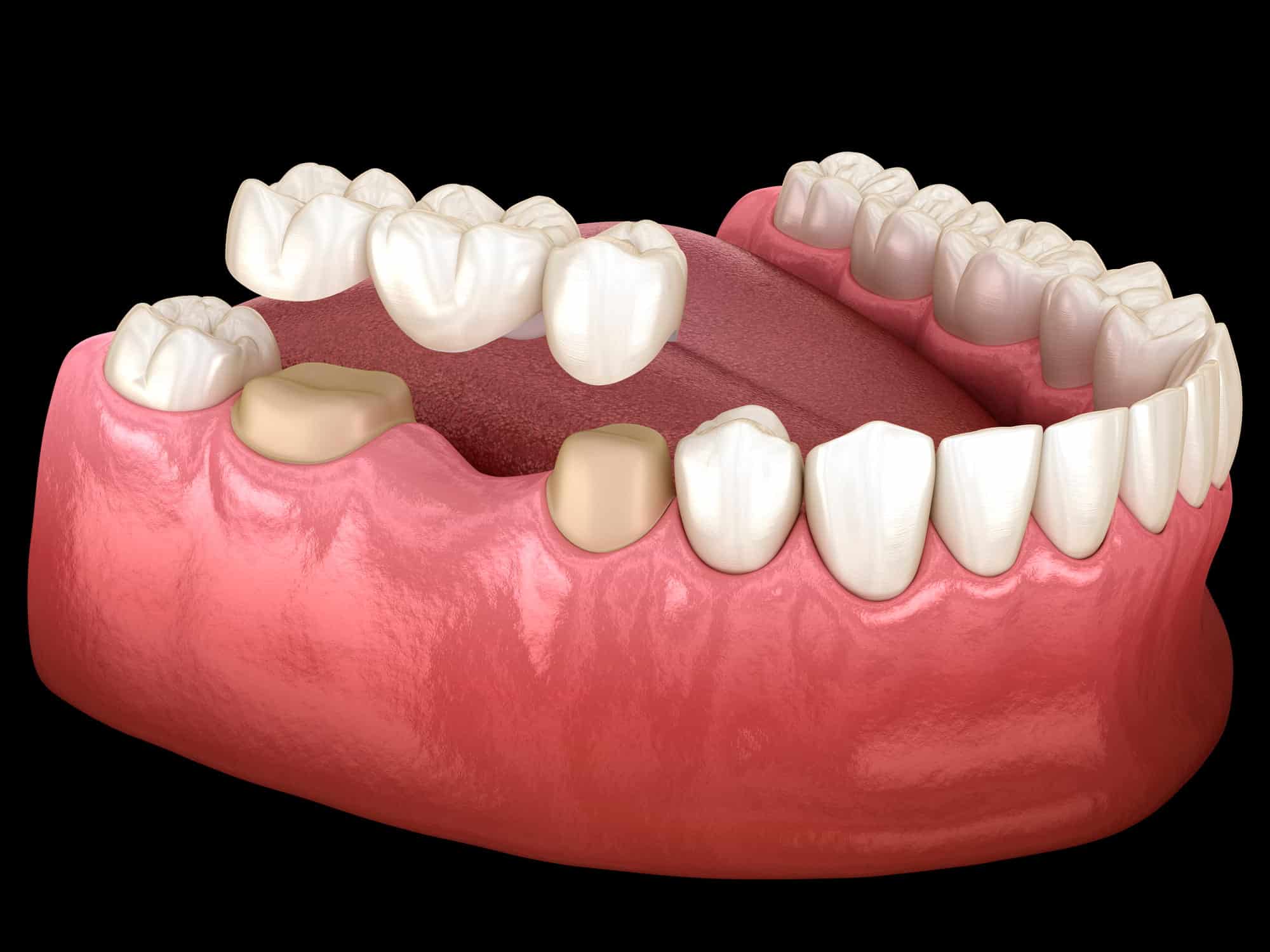
As you consider dental restorations, one of the questions that St. Johns residents ask themselves is, “What does a dental crown actually look like?” It makes sense to want to have an idea of how dental crowns will look, feel, and function, especially considering that dental crowns are one of the most popular solutions when you have experienced damage to your teeth. If you’re curious, you’re in the right place. Let’s unpack this in a straightforward way so you can understand what to expect—and what keeps your smile strong for years.
In this blog, we will discuss the basics of dental crowns: their appearance, lifespan, proper care, and Dr. Neal Patel’s insights to help you make informed decisions.
Understanding Dental Crowns: Appearance and Purpose
First of all, what is a dental crown, and how does it function, you ask? Essentially, a dental crown is the equivalent of a cap that is designed to cover your damaged tooth. As such, this cap will cover the portion of the tooth that is visible above the gum line.
As we discuss dental crowns, it is crucial to understand that the crowns used here are perfectly designed to fit your original teeth. Depending on the dental material used, the dental crown may look almost similar in color and texture to your original teeth. Porcelain and ceramic dental crowns have a translucent finish that resembles your original enamel. These types of dental crowns are suitable for front teeth. Metal dental crowns, on the other hand, may be used in the molar teeth.
First, here’s a brief description of some common types of crowns and what they might look like:
- Porcelain/Ceramic: Tooth-colored, which achieves a natural look by blending in with adjacent teeth.
- Porcelain Fused to Metal (PFM): This type has a metal core, making it long-lasting, though it sometimes develops a dark line along the gumline over time.
- Metal (such as gold or other alloys): Very strong, less likely to chip, but distinctly metallic in appearance.
- Zirconia: Strong and esthetic, white, opaque, often used for both front and back teeth.
The appearance of the crown depends on the dentist’s skill set. The introduction of the digital scanner during the impression procedure greatly enhances the accuracy of the crown’s appearance. The correct alignment of the occlusion is also ensured during the creation of the crown.
How Long Do Dental Crowns Last? Key Factors to Know
Once you’ve received your dental crown, the next obvious question is how long it will last. In terms of lifespan, dental crowns typically last 5 to 15 years. Factors that influence the lifespan include:
- Porcelain crowns generally last 10 to 15 years with good care.
- Metal crowns can last more than 20 years owing to their durability.
- Zirconia crowns are known for their long-lasting durability. They tend to withstand wear and chipping longer than porcelain.
Beyond material, daily habits and oral hygiene maintenance are crucial:
- Excessive Force: Habits such as grinding or clenching the teeth can lead to the premature wearing of the crown surface.
- Night guard use: A night guard helps protect your crown from grinding while you sleep.
- Crown margins and gum health: Gum recession can expose margins, making them vulnerable to decay or cement failure, which can lead to crown loosening.
- Dentist’s Precision: A good fit ensures there is no pain while chewing and helps prevent cracks and chipping.
Routine dental checks are essential because your dentist can catch problems such as a crown that is a little too tight or a dark line along the gum line. This might mean it is time for a new crown or a crown repair before it impacts your underlying teeth.
Do Crowns Need to Be Replaced? When and Why
Replacement depends on wear, damage, and changes in oral health. In fact, it’s not uncommon for a crowned tooth to ultimately require replacement. Some indicators that suggest replacement of the crown might be necessary include:
- Visible cracks or chips in the crown material.
- Discomfort, such as pain or sensitivity, in biting or chewing.
- Looseness or movement of the crown indicates cement failure.
- A dark line or space between the crown and the gumline, perhaps caused by gum recession.
Because crowns cover real teeth, any decay or infection that occurred before their placement will require the crowns to be removed and replaced. It is therefore essential to maintain good oral hygiene around the crown to prolong its lifespan.
How to Care for Your Dental Crown for Years of Use
Taking care of your dental crown is quite similar to the care of your original teeth, but here are some special tips to help extend the life of your dental restoration:
- Brush at least twice a day with a non-abrasive fluoride toothpaste to avoid damaging the crown’s surface.
- Flossing once a day, especially around the crown margin, helps prevent gum disease and tooth decay.
- Avoid chewing on ice or candies or using your teeth as tools, as they can break the crown.
- If you grind your teeth during the night, discuss getting a night guard with your dentist.
- Visit your dentist regularly to inspect the crown’s condition and oral health.
Remember: You will not only protect your crown but also your gums from damage such as gum recession, which could threaten the crown’s longevity.
Final Thoughts: Your Smile Is in Good Hands
Understanding how a crown looks and functions helps you feel more comfortable deciding whether to have one applied. If you’re looking for a dentist who specializes in crowns and are living close to St John’s, remember that the quality of the crown and the skill of the dentist will significantly affect the outcome. The correct shape, color, fit, and durability of your crown can restore your smile effortlessly and naturally.
At Vitalize Dental, Dr. Neal Patel and his staff recognize how crucial team-based care is to achieving proper placement and function of dental crowns and to ensuring every crown looks great and lasts a long time. If you’d like to learn more about crowns, please call to schedule a consultation with Dr. Patel.
The best way to achieve healthy teeth and gums is by working with dental professionals who understand your unique oral health care needs.
Ready for Your Crown? Here’s What to Do Next
If you have been pondering whether a dental crown is right for your smile after it has worn down, yield to your curiosity. Call Vitalize Dental and schedule your appointment today. Addressing the health and aesthetics of your teeth sooner rather than later can help you restore an attractive, comfortable smile.
Commonly Asked Questions
How long do dental crowns last?
Crowns generally last between 5 and 15 years, depending on the material and maintenance.
Are crowns different than regular teeth?
Yes. Crowns must be brushed & flossed regularly, and hard foods and grinding should be avoided.
How do I know if my crown needs to be replaced?
Visible damage, looseness, pain when biting, or gum recession exposing the margin can signal the need for replacement.
Will I be able to whiten my dental crown once it becomes stained?
No! Crowns do not respond to whitening; color matching is best done before placement.