254 Everest Ln #3, St Johns, FL 32259

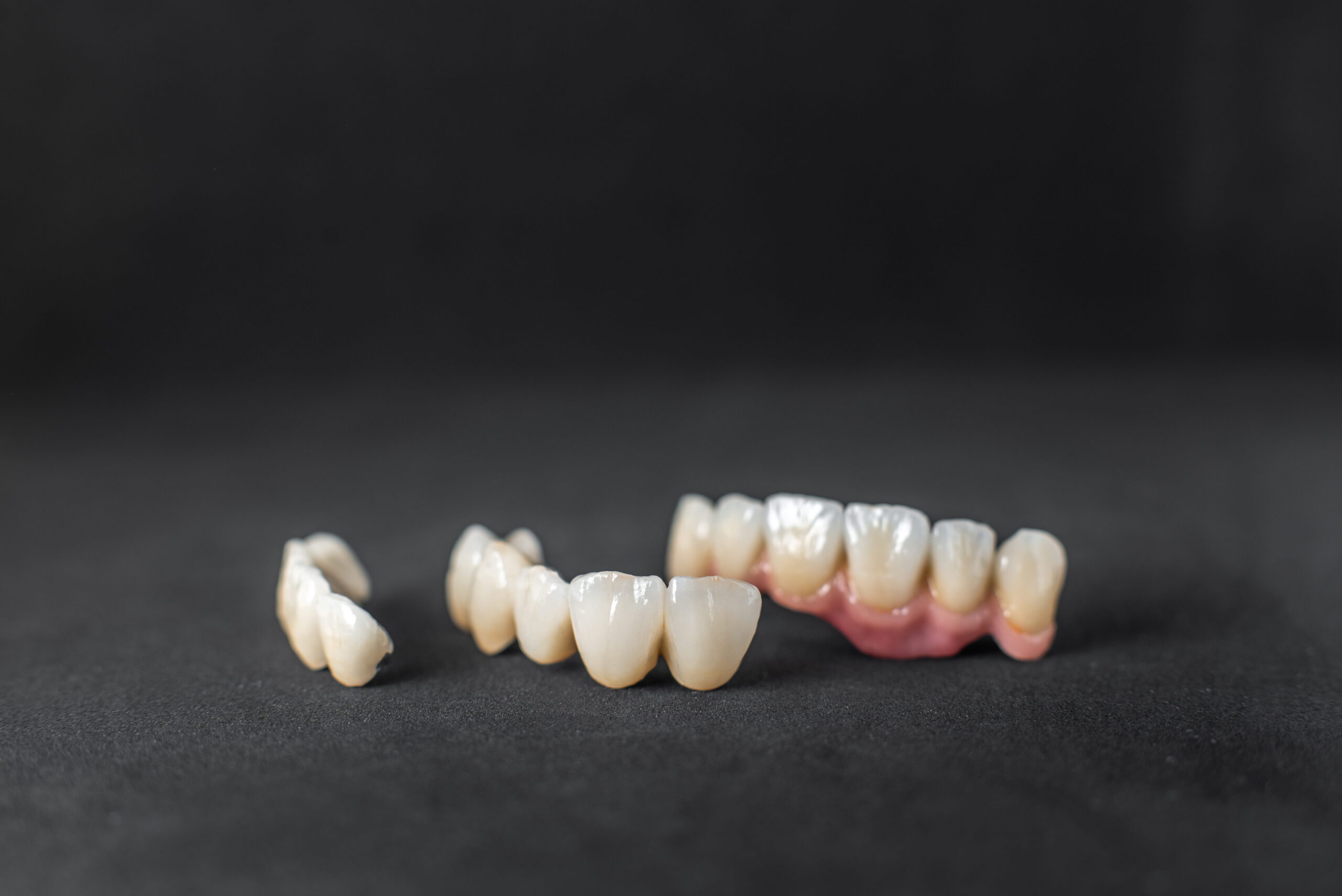
Dental crowns are a crucial part of restorative dentistry and a long-lasting solution for repairing and protecting damaged teeth. If you’ve recently had one placed or are considering getting one, you may be wondering: how long do dental crowns last? The longevity depends on several factors. However, they generally last a long time. In this blog, we will discuss how long they last, how to care of dental crown, and other interesting aspects of this common dental treatment.
What Affects the Lifespan of Dental Crowns?
Dental crowns are meant to shield a tooth from decay, injury, or wear. Crowns are available in various materials, including porcelain, metal, and ceramics. The lifespan of a dental crown depends on several factors:
- Material Type: The material used in your crown, such as porcelain, also affects its longevity. For instance, porcelain crowns look natural, but they may not withstand chipping as well as metal crowns. Similarly, though metal crowns (such as gold) are quite durable, they do not look entirely natural.
- How Well You Care for Your Teeth: Good oral hygiene is essential. Brushing regularly, flossing, and regular dental cleanings will help extend the life of dental crowns in St. Johns. Not taking good care of your teeth can lead to gum disease, tooth decay, and weakened crowns.
- Grinding and Clenching: Grinding the teeth at night, also called bruxism, can exert excessive pressure on the crown. As a result, this can cause damage to the crown. However, this can be addressed by wearing a night guard if you are prone to teeth grinding.
- Fitting of Crowns: A dentist should ensure the crowns are fitted well to achieve the best results. The crowns should fit perfectly to ensure optimal occlusion. A crown that is not fitted properly may not last long or cause the patient discomfort. Therefore, you must choose a competent dentist, such as Dr. Neal Patel, for the job.
- Cement Failure or Crown Loosening: Over time, the cement holding the artificial tooth in place can disintegrate, loosening the crown and, in some cases, causing it to fall off. Regular checkups with your dentist can help assess the status of the crown.
What Does a Dental Crown Look Like?
Dental crowns in St. Johns for teeth are made to integrate fully with your other teeth. This means they will likely be made to match the color of your other teeth, depending on the material used. This goes for front teeth crowns.
- Porcelain and Ceramic Crowns: Porcelain and ceramic crowns are highly aesthetic. The crowns look very natural and are usually placed on the front teeth because they are translucent.
- Metal Crowns: They are typically silver or gold. They are generally used for the back teeth that are not visible when one smiles. They may not be very attractive, but they are quite durable.
- Porcelain-Fused-to-Metal Crowns: This type of crown combines the strength of metal with the aesthetic benefits of porcelain, making it useful for both front and back teeth.
How Long Do Dental Crowns Last?
In general, dental crowns can last 10 to 30 years, depending on the material used, the level of maintenance, and the amount of wear and tear.
- Porcelain Crowns: These have a lifespan of 10-15 years. However, if properly cared for, they can last longer. Yet porcelain crowns are more prone to chipping and cracking, especially for those who grind their teeth.
- Metal Crowns (Gold or Silver): These crowns have gained popularity for their long-lasting quality, lasting up to 30 years or more.
- Porcelain-Fused-to-Metal Crowns: A porcelain-fused-to-metal crown can last 15 to 20 years and is both durable and aesthetically pleasing.
Do Crowns Need to Be Replaced?
The answer is yes: dental crowns do need to be replaced eventually. Although dental crowns can last for some time, they are not invincible. Eventually, they can break down, get loose, or crack. The signs that your dental crown needs replacing include:
- Visible Cracks or Chips: If you notice visible cracks or chips on your crown, see your dentist. Although small chips may not affect the crown’s function, complications may arise in the future.
- Crown Loosening: If your crown feels loose or comes off, that is an obvious indication that it should be replaced.
- Pain When Biting: If you feel pain after biting or chewing with your crowned tooth, it may mean the crown no longer fits properly or is damaged.
- Dark Line at the Gumline: This is often associated with gum recession. This may cause the exposed metal base of a porcelain-fused-to-metal crown to become visible. This may necessitate replacing a crown for both aesthetic and functional reasons.
How to Care for Your Dental Crown
The dental crown must receive the best oral care to extend its lifespan. Below are the steps for maintaining your dental crown:
- Brush and Floss Regularly: Properly cleaning your teeth is essential to prevent decay around the crown. Use a soft-bristled toothbrush and fluoride toothpaste. Make sure to brush your teeth regularly and use dental floss every time.
- Avoid Hard Foods: Although they are strong, biting hard foods, ice, or hard candies can damage teeth. Thus, one must avoid eating these hard foods to keep the dental crown intact.
- Use a Night Guard: If you grind your teeth while you sleep, a night guard is strongly suggested. This will prevent excess wear and damage to both your crowns and your natural teeth.
- Visit Your Dentist Regularly: Regular visits to your dentist are crucial for monitoring the condition and health of your crown. This will help identify minor problems before they become big ones.
Conclusion: Protect Your Dental Crowns and Smile with Confidence
Your dental crown contributes significantly to the longevity and maintenance of your dental health. With proper care, they can last for many years. If you live in the St. Johns area and have questions about dental crowns or need replacements, Vitalize Dental is always available to assist you. We have committed ourselves to delivering excellent dental care services to our customers. We ensure our Dental crowns in St. Johns last longer. If you need dental crowns, you can count on us for professional care.
Common Questions People Ask
How often should I replace my dental crown?
The lifespan of most dental crowns ranges from 10 to 30 years, though it can vary based on factors such as material, wear, and your personal dental care habits. Regular dental checkups will be instrumental in monitoring the condition of your dental crown.
Can I eat normally with a dental crown?
Yes, dental crowns can withstand normal chewing and biting. Avoid biting hard food items as they can damage dental crowns.
What happens if a dental crown falls off?
If you notice your crown has come off, contact your dentist as soon as possible. In some cases, you can use dental cement to attach the crown temporarily.
Are there any foods that I should avoid with a dental crown?
Avoid hard and sticky foods, which can damage the crown or cause it to become loose, such as ice, hard candy, and gum.
What are the signs that my dental crown may be failing?
Signs that a crown is failing might include pain when biting, cracks or chips, looseness, or a dark line along the gum line. Check with your dentist if any of these signs are present.